Sourdough Discard French Bread
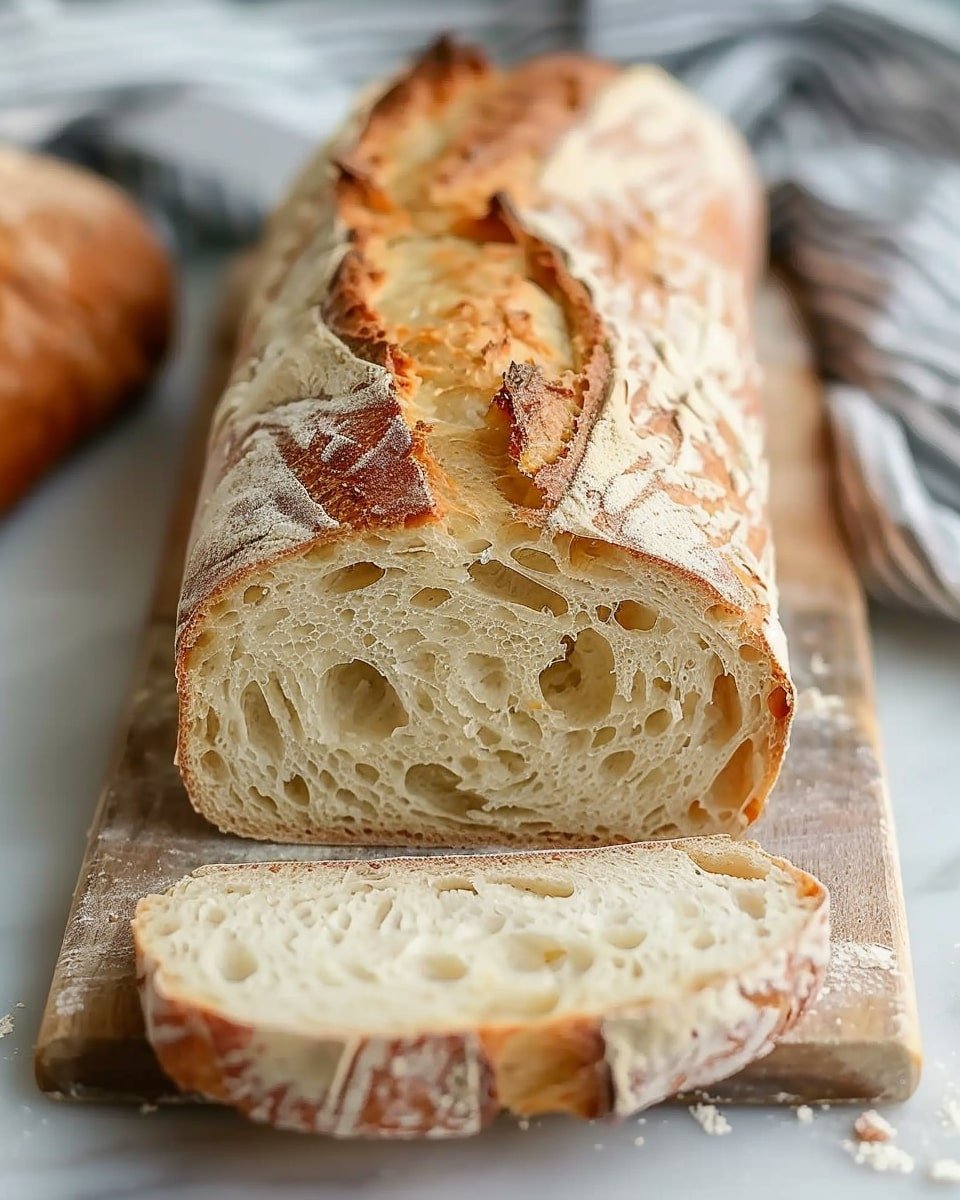
If you’ve ever stared at a jar of sourdough discard wondering what to do with it, you’re not alone. That small pool of tangy, leftover starter can feel like guilt in a jar—especially if you hate wasting food. But here’s the good news: that “waste” can turn into something magical. With a bit of flour, water, and time, you can create a warm, crusty loaf of Sourdough Discard French Bread that tastes like it came straight from a bakery.
It’s more than just bread—it’s a way to transform something forgotten into something comforting, delicious, and deeply satisfying. Once you’ve tried it, you’ll never toss out your discard again.
What Is Sourdough Discard?
Before you start baking, it helps to understand what sourdough discard actually is. When you maintain a sourdough starter, you regularly “feed” it with flour and water to keep the natural yeast alive. The portion you remove before each feeding is called the discard.
Even though it’s not as bubbly or active as a fed starter, your discard is far from useless. It still contains beneficial wild yeast and bacteria that give bread its signature flavor. Think of it as a flavor booster that adds depth, aroma, and a touch of tang to any dough.
You can keep your discard in the refrigerator for up to a week or freeze it if you plan to bake later. As long as it doesn’t smell rancid or develop mold, it’s perfectly fine to use.
Why Make French Bread with Sourdough Discard?
If you love the soft, airy texture and golden crust of traditional French bread, using sourdough discard takes it to the next level. It’s a perfect blend of classic simplicity and sustainable baking.
Here’s why this recipe is worth making:
-
Unbelievable flavor: The natural acidity from the discard gives your French bread a mild tang that pairs beautifully with butter or olive oil.
-
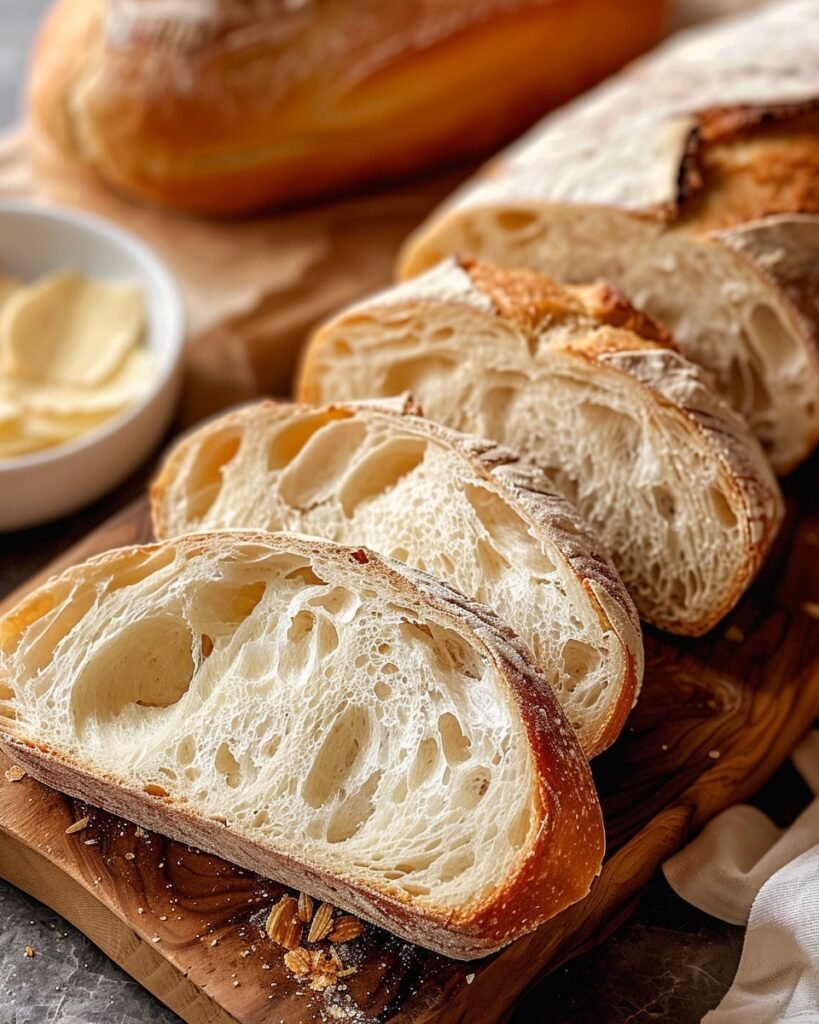
Perfect texture: You’ll get a crisp, golden crust and a tender, fluffy interior—everything you want in a loaf.
-
Sustainability: You’re using what would normally be wasted, reducing food waste and making your kitchen more eco-friendly.
-
Foolproof process: Unlike full sourdough bread, this version uses instant yeast, which means you don’t need long fermentations or special timing.
It’s the best of both worlds—easy, flavorful, and environmentally conscious.
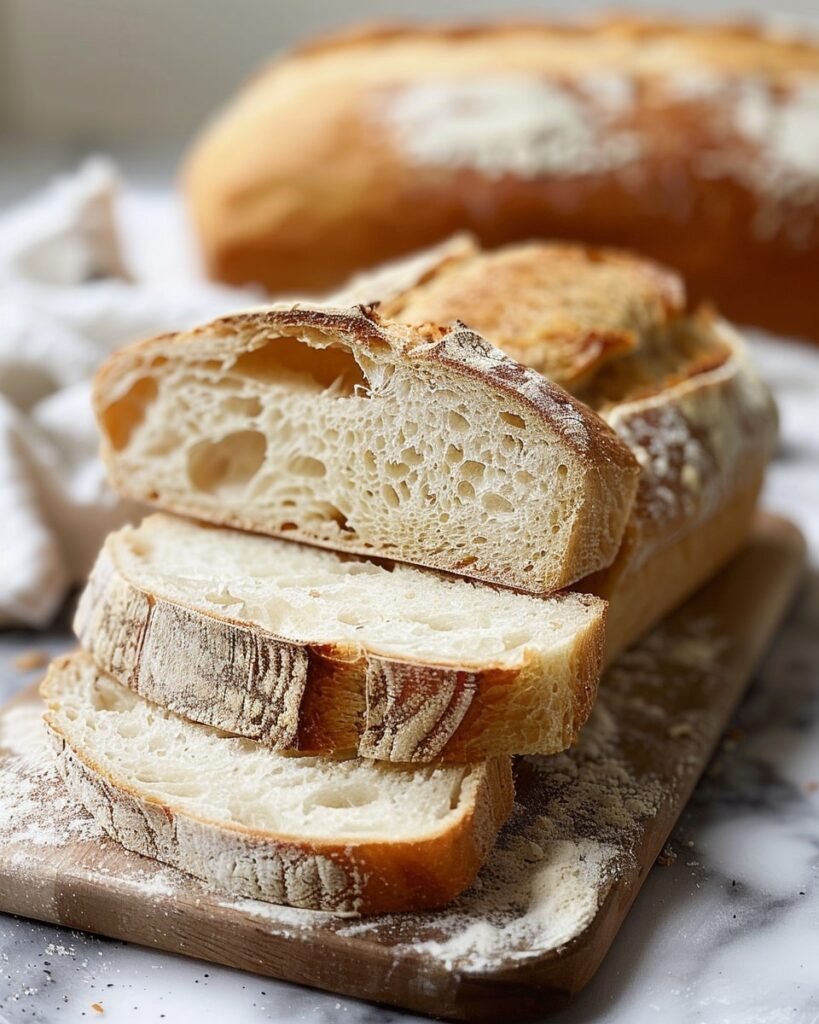
Ingredients You’ll Need
To make your own Sourdough Discard French Bread, you’ll only need a handful of pantry staples.
Basic Ingredients:
-
3 cups of all-purpose or bread flour
-
1 cup of sourdough discard (unfed starter)
-
1 packet (2¼ tsp) instant yeast
-
1 teaspoon salt
-
1 teaspoon sugar (optional)
-
1 cup warm water (around 100°F / 38°C)
-
1 tablespoon olive oil or melted butter (optional)
Ingredient Tips:
-
You can use discard straight from the fridge. Just make sure it’s not overly acidic.
-
If you prefer whole wheat, replace up to half of the flour for a heartier texture.
-
Filtered water helps the yeast thrive, giving you a better rise.
Step-by-Step: How to Make Sourdough Discard French Bread
1. Activate the Yeast
Combine the warm water, sugar, and yeast in a mixing bowl. Let it sit for about five minutes until it starts to foam. This ensures the yeast is alive and ready to work its magic.
2. Add the Sourdough Discard
Whisk your discard into the yeast mixture until smooth. You’ll notice the mixture becomes slightly cloudy and thick—this is where the flavor begins.
3. Mix in the Flour and Salt
Add the flour and salt gradually, stirring until the dough starts to form. Once it becomes too thick to stir, switch to your hands or a stand mixer with a dough hook. Knead for about 8–10 minutes until it’s soft and elastic.
Tip: The dough should be slightly tacky but not sticky. Add small amounts of flour as needed.
4. Let It Rise
Place your dough in a lightly greased bowl, cover with a damp towel, and let it rise for about 1 to 2 hours, or until doubled in size. The discard’s natural yeast will add depth to the fermentation process.
5. Shape the Loaf
Once your dough has risen, punch it down gently to release air. Shape it into a long log and place it on a parchment-lined baking sheet. Use a sharp knife to score the top with diagonal slashes—this helps the loaf expand while baking.
6. Second Rise
Cover the shaped dough and let it rest again for 30–40 minutes. It should puff up nicely and feel light to the touch.
7. Bake to Perfection
Preheat your oven to 425°F (220°C). Before placing the loaf inside, spritz a little water on the dough or put a small pan of hot water on the bottom rack—this steam helps create a glossy, crackly crust. Bake for 25–30 minutes, until golden brown and hollow-sounding when tapped.
8. Cool & Enjoy
Let your bread cool on a wire rack before slicing. Cutting too soon can make the crumb gummy, so patience pays off here. Once cooled, serve with butter, dip in olive oil, or enjoy plain—it’s that good.
Pro Tips for Perfect Results
To get a loaf that looks and tastes like it came from a professional bakery, keep these small but powerful tips in mind:
-
Measure your ingredients by weight, not cups, for better consistency.
-
A hot oven and steam make the crust crispier.
-
Avoid overproofing—when the dough rises too long, it can collapse.
-
Brush with olive oil or butter right after baking for extra shine and flavor.
-
Experiment with flavor additions like rosemary, garlic, or grated cheese.
Storage and Freezing Guide
Homemade bread doesn’t last forever, but there are easy ways to keep it fresh.
-
Room temperature: Store in a bread box or wrapped in a clean towel for up to 3 days.
-
Freezing: Slice and freeze your loaf in airtight bags for up to 2 months.
-
Reheating: Warm slices in a 350°F (175°C) oven for about 10 minutes to bring back that just-baked texture.
Avoid refrigerating bread—it tends to dry out faster.
Serving Ideas for Sourdough Discard French Bread
Once your loaf is ready, there are endless ways to enjoy it.
Try it as:
-
Classic garlic bread brushed with butter and herbs
-
Crispy base for bruschetta or paninis
-
Dipped in soups and stews
-
Used for French toast or bread pudding
-
Served alongside a charcuterie board with cheeses and spreads
Each slice brings its own charm, no matter how you serve it.
Troubleshooting Common Problems
Even the best bakers have off days, so don’t worry if your first loaf isn’t perfect. Here’s how to fix common issues:
-
Dense bread: Your dough may not have risen enough. Next time, give it more time in a warm place.
-
Flat loaf: You might have overproofed the dough. Stick to the suggested rising times.
-
Too sour: That happens if your discard is very old. Use fresher starter next time.
-
Tough crust: Add a bit more steam or reduce baking time slightly.
With practice, each loaf gets better.
FAQs
Q1: Can I make sourdough discard French bread without yeast?
Yes, you can, but it will take much longer to rise. Using active discard helps, but expect a slower fermentation process.
Q2: How long can I store sourdough discard before using it?
You can keep it in the fridge for about a week or freeze it for a month. Always check for off smells before using.
Q3: My bread tastes too sour. What went wrong?
Older discard tends to have a sharper flavor. To mellow it out, use fresh discard or add a teaspoon of sugar to the dough.
Q4: Can I make this recipe with whole wheat flour?
Absolutely. Replace up to half the flour with whole wheat for a rustic flavor and denser texture.
Q5: How do I make the crust extra crispy?
Bake your loaf on a preheated baking stone or tray, and spray water into the oven during the first 10 minutes.
Conclusion
When you pull that golden loaf out of the oven, it’s hard not to feel a sense of pride. You’ve taken something that could have gone to waste and turned it into something beautiful, warm, and nourishing.
Sourdough Discard French Bread isn’t just a recipe—it’s a small act of creativity and care. Every slice tells the story of resourcefulness, flavor, and the joy of homemade baking.
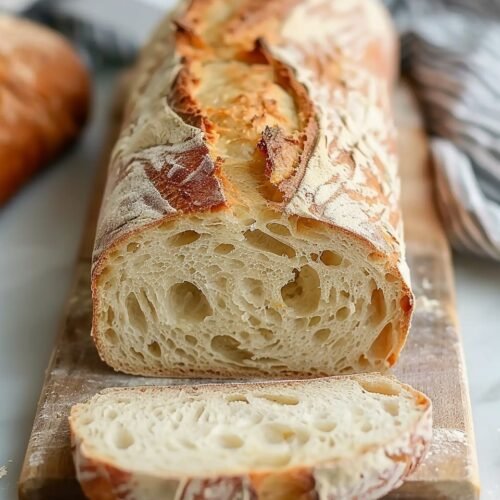
Sourdough Discard French Bread
Ingredients
- Basic Ingredients:
- 3 cups all-purpose or bread flour
- 1 cup sourdough discard unfed starter
- 1 packet 2¼ tsp instant yeast
- 1 tsp salt
- 1 tsp sugar optional
- 1 cup warm water about 100°F / 38°C
- 1 tbsp olive oil or melted butter optional
- Ingredient Tips:
- Discard straight from the fridge works fine—just make sure it’s not too acidic.
- For a heartier texture replace up to half the flour with whole wheat.
- Use filtered water to help the yeast rise better.
Instructions
- Step 1 – Activate the Yeast:
- In a bowl, combine warm water, sugar, and yeast. Let it sit for 5 minutes until foamy.
- Step 2 – Add the Discard:
- Whisk in the sourdough discard until smooth and milky.
- Step 3 – Mix the Dough:
- Add flour and salt gradually. Stir until a dough forms, then knead by hand or with a dough hook for 8–10 minutes until soft and elastic.
- Step 4 – First Rise:
- Transfer dough to a greased bowl, cover, and let rise for 1–2 hours or until doubled in size.
- Step 5 – Shape the Loaf:
- Punch down the dough, shape into a long French loaf, and place on a parchment-lined baking sheet. Score the top diagonally.
- Step 6 – Second Rise:
- Cover and rest for 30–40 minutes until puffy.
- Step 7 – Bake:
- Preheat oven to 425°F (220°C). Lightly mist dough with water or place a pan of hot water in the oven for steam.
- Bake for 25–30 minutes, until golden brown and hollow-sounding when tapped.
- Step 8 – Cool & Serve:
- Cool on a wire rack before slicing. Enjoy plain, with butter, or dipped in olive oil.
Notes
- Weigh ingredients for consistent results.
- Steam creates that glossy, crisp crust—don’t skip it!
- Avoid overproofing or the loaf may deflate.
- Brush with butter or olive oil after baking for shine and flavor.
- Add herbs, garlic, or cheese for a custom twist.