Homemade White Bread
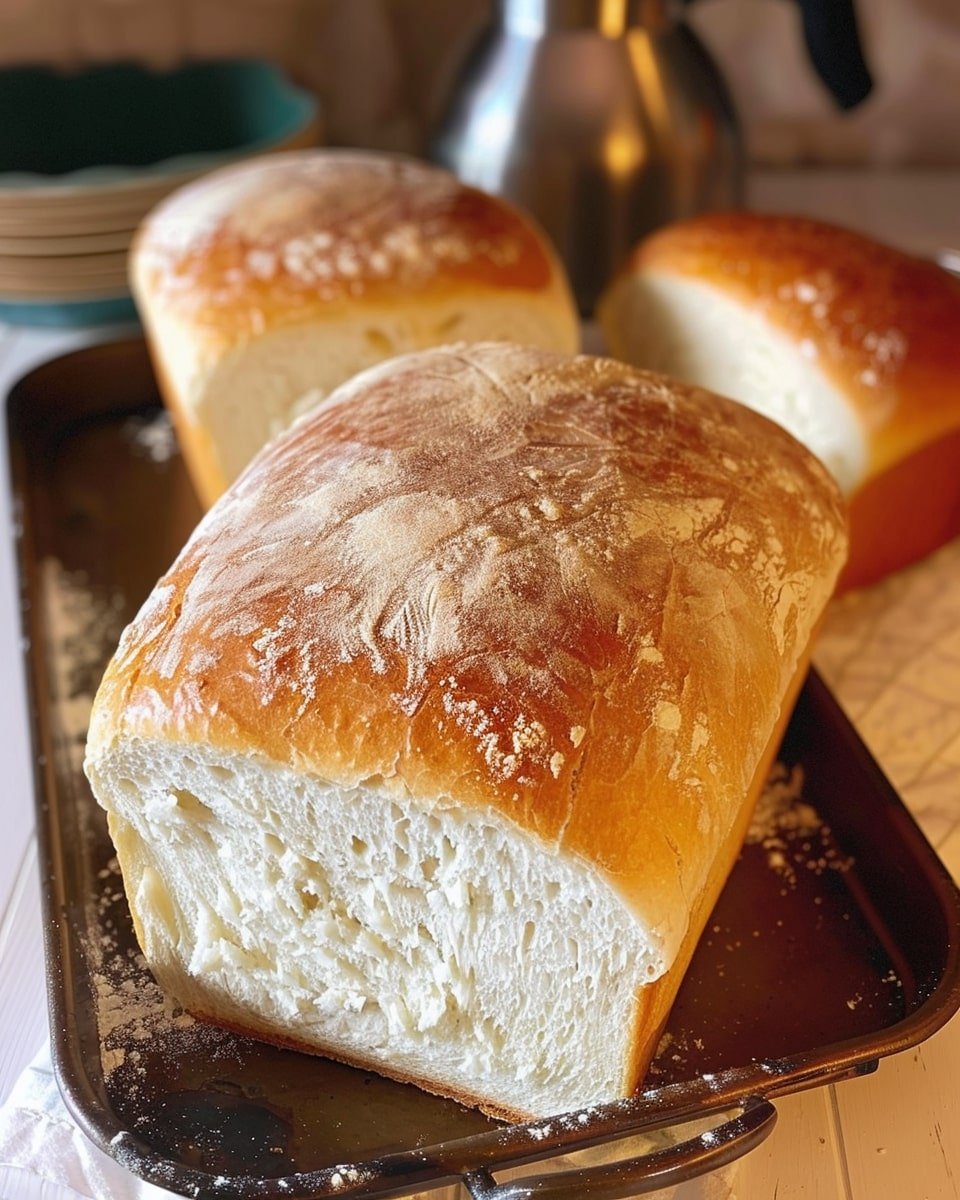
There’s something almost magical about baking your own bread. The warm aroma that fills your kitchen, the soft crackle of a freshly baked crust, and the first buttery bite that melts in your mouth — it’s pure comfort. Baking Homemade White Bread isn’t just about making food; it’s about creating moments of peace and joy in your day.
The Simple Joy of Baking White Bread at Home
Making your own white bread is one of those kitchen experiences that grounds you. It slows down time and reminds you to enjoy the process — from kneading the dough to watching it rise. There’s something deeply satisfying about pulling a golden loaf out of the oven, knowing it came from your own hands.
Why You’ll Love Making Your Own White Bread
Homemade vs. Store-Bought – The Taste Difference
Store-bought bread often contains preservatives and additives to extend its shelf life, which can dull its flavor and texture. When you make Homemade White Bread, you get to enjoy it fresh soft inside, slightly crisp on the outside, and full of real flavor. You also control the ingredients, so you can keep it clean and wholesome.
A Therapeutic and Rewarding Process
There’s something peaceful about kneading dough. It’s physical, mindful, and a little meditative. Watching the dough rise and transform reminds you that patience pays off. And once that loaf is baked, the reward feels doubly sweet you’ve created something from scratch that you can share and enjoy.
Ingredients You’ll Need for the Perfect Homemade White Bread
Making bread doesn’t require anything fancy. You probably already have most of these ingredients in your pantry.
Basic Ingredients
-
Flour – All-purpose or bread flour works perfectly.
-
Warm water or milk – Helps activate the yeast.
-
Yeast – Active dry yeast gives your bread its rise.
-
Sugar – Feeds the yeast and adds a hint of sweetness.
-
Salt – Balances and enhances flavor.
-
Butter or oil – Adds softness and moisture.
Optional Add-ins
-
Milk powder for a richer loaf.
-
A touch of honey for a subtle sweetness.
-
Melted butter brushed on top for a glossy finish.
Step-by-Step Guide: How to Make Homemade White Bread
Step 1: Activate the Yeast
Start by mixing warm water (about 110°F), sugar, and yeast in a bowl. Let it sit for about 10 minutes until it becomes foamy. This tells you your yeast is alive and ready to work.
Step 2: Mix and Knead the Dough
Add flour, salt, and butter into the yeast mixture. Mix until a dough forms, then knead it on a floured surface for about 8–10 minutes. The dough should become smooth, soft, and slightly elastic. This step develops gluten, which gives the bread structure and that classic chew.
Step 3: Let the Dough Rise (First Proof)
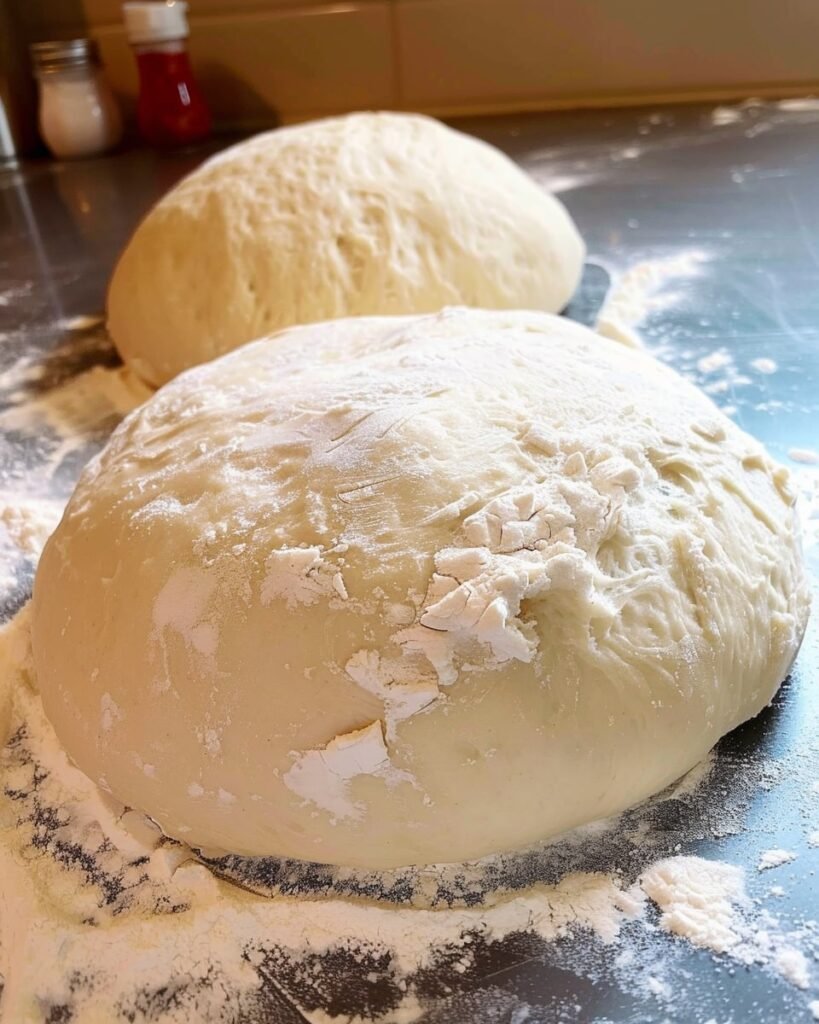
Place the dough in a greased bowl, cover it with a clean towel, and let it rise in a warm spot for about 1 to 2 hours, or until it doubles in size. This is where the magic starts — yeast works quietly, turning your dough into something alive and airy.
Step 4: Shape the Loaf
Once the dough has risen, gently punch it down to release air bubbles. Shape it into a loaf and place it in a greased bread pan.
Step 5: Second Rise
Cover again and let it rise for another 30–45 minutes. The dough should puff up and slightly rise above the rim of the pan.
Step 6: Bake to Golden Perfection
Preheat your oven to 375°F (190°C). Bake the loaf for 25–30 minutes, or until the crust is golden brown and the bread sounds hollow when tapped on the bottom.
Optional: Brush the top with melted butter for a soft, shiny crust and extra flavor.
Tips for Perfect Homemade White Bread Every Time
-
Measure your flour carefully too much will make the loaf dense.
-
Use lukewarm water, not hot, to avoid killing the yeast.
-
Be patient with the rise — good bread can’t be rushed.
-
Let the bread cool before slicing to preserve the crumb.
-
For a softer texture, use milk instead of water.
Common Mistakes and How to Fix Them
Dense or Flat Bread
If your bread doesn’t rise well, your yeast may be expired, or your water might’ve been too hot. Always check yeast freshness and temperature.
Hard Crust
Overbaking or skipping the post-bake butter brush can cause a tough crust. A light butter coating softens it beautifully.
Dough Not Rising
Cold environments slow yeast activity. Place the dough near a warm oven or wrap it in a towel for better proofing.
Gummy or Undercooked Center
If the middle feels dense, bake a little longer next time. The internal temperature should reach around 190°F (88°C).
Creative Variations on Classic White Bread
Once you’ve mastered the basic Homemade White Bread, try adding your own twist.
Garlic and Herb Bread
Mix in minced garlic and Italian herbs for a savory version.
Honey White Bread
Swap sugar for honey to get a subtle sweetness and golden color.
Milk Bread
Use milk instead of water for a softer, richer texture.
Stuffed Bread
Roll in cheese, herbs, or even caramelized onions for a surprise-filled loaf.
How to Store and Freeze Homemade White Bread
Short-Term Storage
Keep your loaf in an airtight bag or bread box at room temperature for up to 3–4 days. Avoid the fridge — it dries bread out faster.
Freezing for Later
To freeze, slice the loaf first so you can take out just what you need. Wrap it tightly in plastic wrap, then foil, and store for up to 3 months. Reheat slices in a toaster or warm oven for that fresh-baked feel.
Health Benefits of Homemade White Bread
While store-bought bread often contains preservatives and hidden sugars, making your own gives you control. You decide what goes in — simple, honest ingredients. Homemade bread is free from additives, often lower in sodium, and naturally richer in flavor. Plus, the process itself has mental benefits baking is proven to reduce stress and boost mood.
Frequently Asked Questions
Can I use instant yeast instead of active dry yeast?
Yes. Instant yeast can be mixed directly with the flour — no need to proof it first.
How do I make my bread softer?
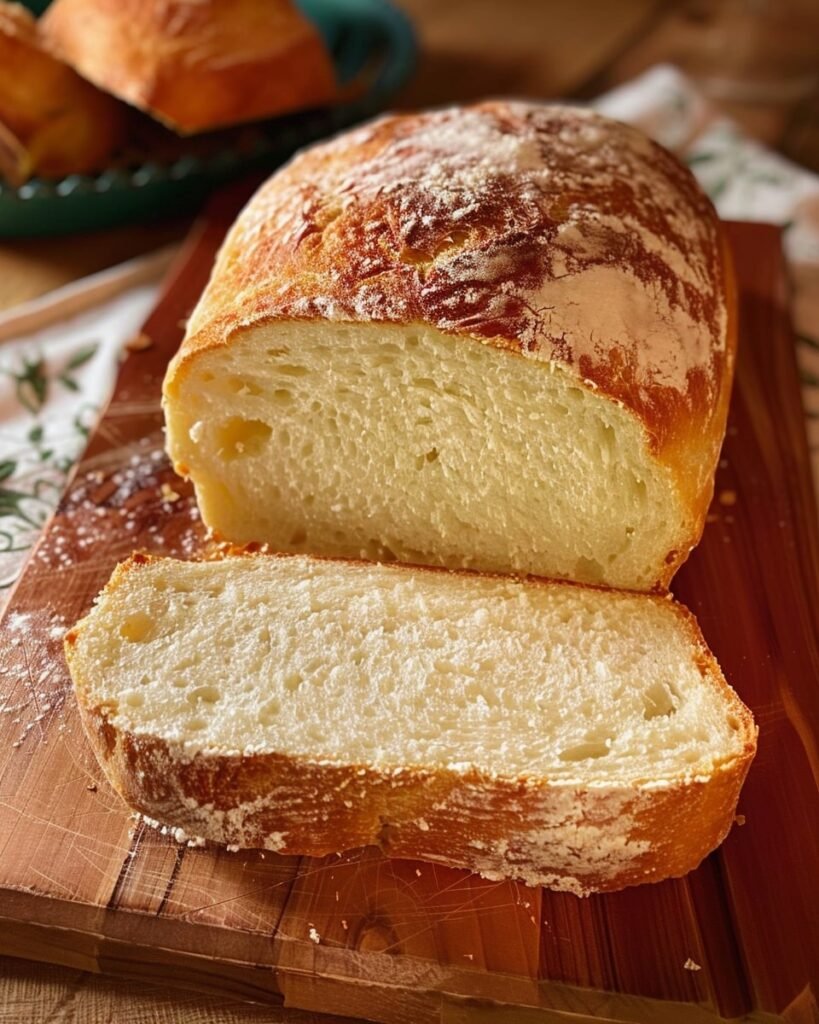
Use milk instead of water, and don’t skip brushing the top with melted butter after baking.
Can I knead the dough by hand?
Absolutely. It might take a bit longer, but hand-kneading gives you a great feel for the dough.
How do I know when the bread is done?
The crust should be golden, and the bread should sound hollow when tapped underneath.
Why does my bread taste too yeasty?
Too much yeast or underbaking can cause this. Follow the recipe closely and bake until fully done.
Conclusion
At its heart, Homemade White Bread is more than just a recipe it’s a small act of love. It’s about slowing down, savoring the process, and reconnecting with something simple yet deeply satisfying. Each loaf you bake carries a story of care, patience, and joy.
Homemade White Bread
Ingredients
- 4 cups all-purpose or bread flour
- 1 ¼ cups warm water or milk about 110°F
- 2 ¼ tsp active dry yeast 1 packet
- 2 tbsp sugar
- 1 tsp salt
- 2 tbsp unsalted butter or oil plus more for brushing
- Optional Add-ins:
- 1 tbsp milk powder for a richer loaf
- 1 tbsp honey instead of sugar
- 1 tbsp melted butter for brushing top after baking
Instructions
- Activate the Yeast: Combine warm water (or milk), sugar, and yeast in a bowl. Let it sit for 10 minutes until foamy.
- Make the Dough: Add flour, salt, and butter. Mix until a dough forms, then knead on a floured surface for 8–10 minutes until smooth and elastic.
- First Rise: Place dough in a greased bowl, cover, and let it rise in a warm spot for 1–2 hours, until doubled in size.
- Shape the Loaf: Punch down dough, shape into a loaf, and place into a greased bread pan.
- Second Rise: Cover and let it rise for another 30–45 minutes, until slightly above the rim.
- Bake: Preheat oven to 375°F (190°C). Bake for 25–30 minutes until golden brown and the loaf sounds hollow when tapped.
- Finish: Brush the top with melted butter for a soft crust. Let cool before slicing.
Notes
- Measure flour accurately too much will make dense bread.
- Use lukewarm water (not hot) to avoid killing the yeast.
- Be patient with rising slow proofing improves texture.
- For softer bread, replace water with milk.