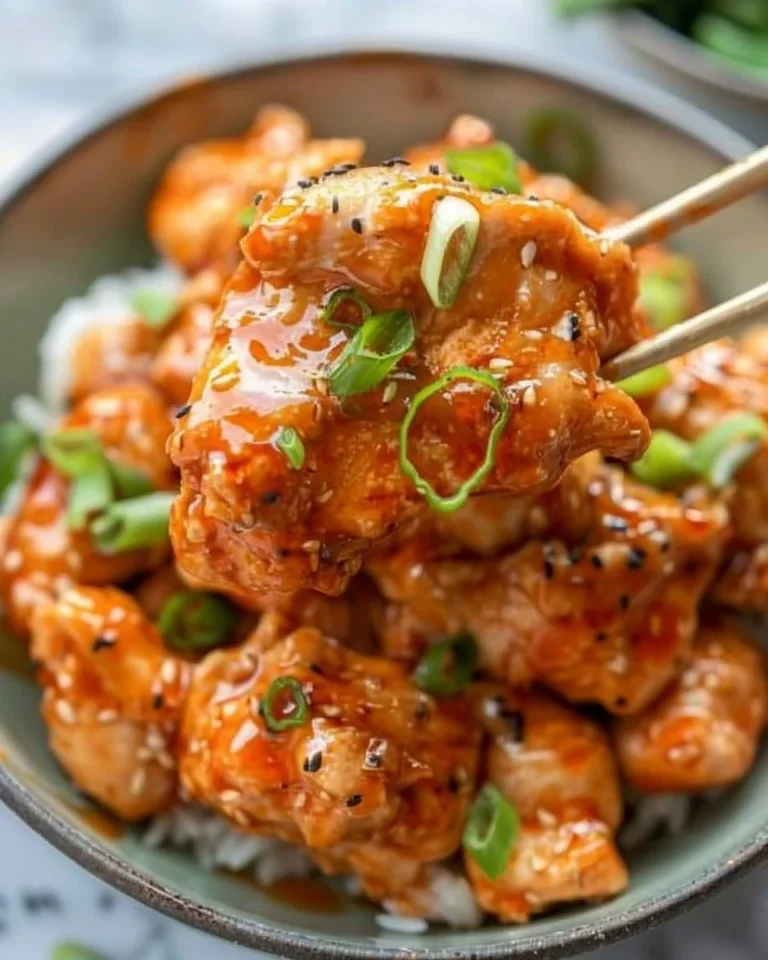
Chicken Stir Fry
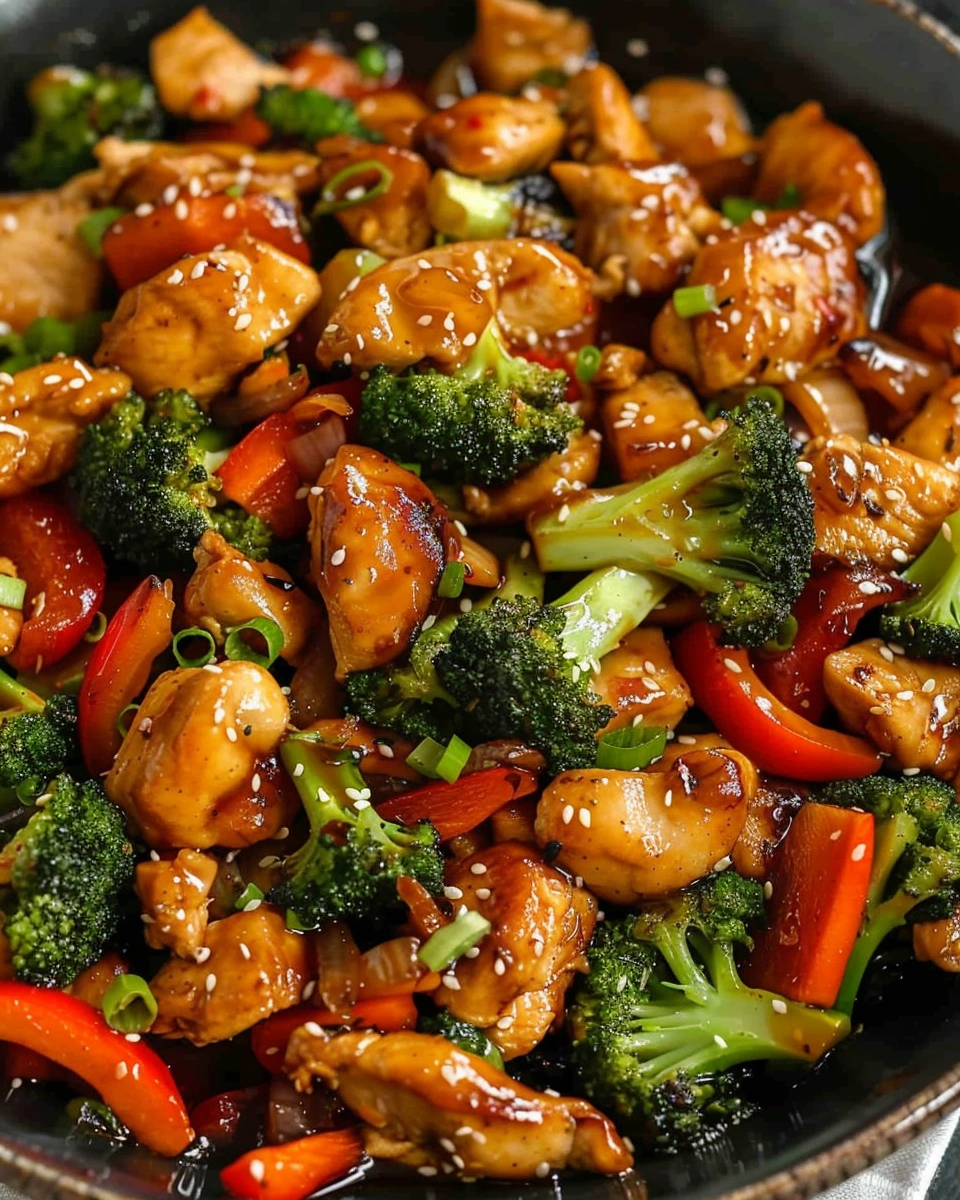
There are days when you’re stretched thin, rushing from one thing to the next, and all you want is a warm plate of something comforting, colorful, and satisfying. You crave a dish that brings your energy back without demanding a long, complicated cooking process. When a moment like that arrives, Chicken Stir Fry becomes the perfect answer.
There’s something grounding about the sound of chicken sizzling in a pan and the sight of vibrant vegetables coming together in a glossy, savory sauce. It reminds you that good food doesn’t have to be difficult or time-consuming. With just a handful of ingredients and a few minutes at the stove, you can create a meal that feels fresh, nourishing, and full of life. That’s the beauty of Chicken Stir Fry—it fits effortlessly into your busy routine while still giving you a dish that feels homemade and full of flavor.
What Is Chicken Stir Fry?
A Fast, One-Pan Meal Everyone Loves
When you think about convenience, Chicken Stir Fry easily rises to the top. It’s a simple cooking method rooted in Asian-inspired techniques that revolve around high heat, quick movement, and fresh ingredients. You cook everything in one pan or wok, allowing the flavors to blend while keeping each ingredient crisp and vibrant.
What makes a stir fry so appealing is how fast it comes together. You’re not waiting hours for something to simmer or bake. Instead, you’re giving each ingredient just the right amount of heat to bring out its color, aroma, and natural flavor.
Why Chicken Stir Fry Works for Busy Lifestyles
You don’t need special tools or advanced cooking skills. With a little preparation, you can put a complete meal on the table in 20 minutes or less. The process is straightforward, the cleanup is minimal, and the flexibility is endless.
Whether you prefer something mild, spicy, sweet, or tangy, you can build a Chicken Stir Fry that suits your taste. It’s one of those meals that adjusts to your schedule, your budget, and your cravings.
Key Ingredients for the Best Chicken Stir Fry
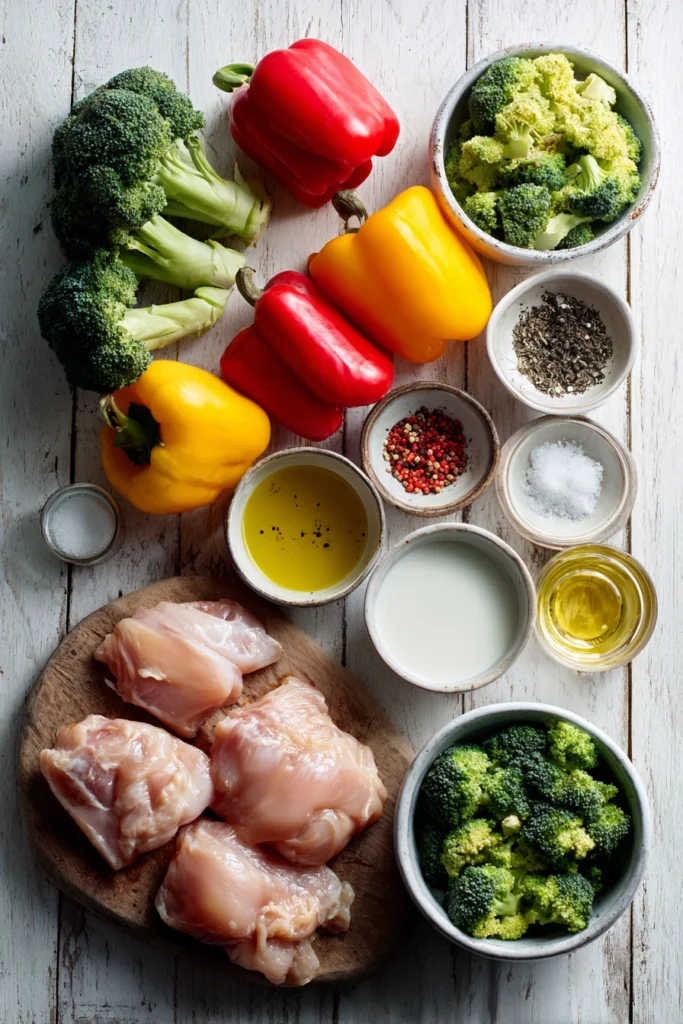
Best Chicken Cuts to Use
You’re free to choose the cut that fits your preferences:
-
Chicken breast for a leaner, lighter result
-
Chicken thighs for a richer, juicier bite
Cutting the chicken into thin strips helps it cook quickly and evenly, giving you tender pieces without dryness.
Essential Vegetables for Color and Crunch
One of the most enjoyable parts of cooking Chicken Stir Fry is selecting your vegetables. The mix of textures and colors brings the whole dish to life. Great vegetable options include:
-
Bell peppers
-
Broccoli
-
Carrots
-
Snap peas
-
Mushrooms
-
Onions
Each one adds flavor, nutrients, and visual appeal.
Pantry Staples That Build Flavor
A good stir fry sauce transforms everything in the pan. You don’t need anything complicated. A few simple essentials go a long way:
-
Soy sauce
-
Garlic
-
Ginger
-
Sesame oil
-
Rice vinegar
-
Cornstarch for thickening
These ingredients help create the savory glaze that coats the chicken and vegetables, giving you that classic stir fry taste.
How to Make Chicken Stir Fry
Step 1: Prep Your Ingredients First
Stir fries move quickly, so getting everything ready before you start cooking is important. Slice your chicken into thin strips. Chop your vegetables into similar sizes so they cook evenly. Once everything is prepped, the cooking goes smoothly.
Step 2: Marinate the Chicken
A quick marinade gives your chicken extra tenderness and flavor. Even a short soak in soy sauce, garlic, ginger, and a touch of sesame oil makes a noticeable difference. The chicken absorbs the flavors and browns better once it hits the hot pan.
Step 3: Stir Fry the Chicken
Heat your pan until it’s hot. Add a splash of oil and stir fry the chicken until it turns golden and cooked through. Cooking in batches helps it keep its color and prevents steaming.
Step 4: Add the Vegetables
Start with vegetables that need more time, such as carrots or broccoli. Add softer ones last. Keep the heat high and toss often. This method keeps everything crisp and fresh.
Step 5: Make the Stir Fry Sauce
Mix soy sauce, garlic, ginger, rice vinegar, broth, and a little cornstarch in a bowl. Once the chicken and vegetables are nearly done, pour the sauce in. It will thicken as it cooks, turning into a glossy coating that ties everything together.
Step 6: Bring It All Together
Let everything simmer for a minute so the flavors blend. Taste and adjust—sometimes a squeeze of lime or a sprinkle of sesame seeds makes the dish pop even more.
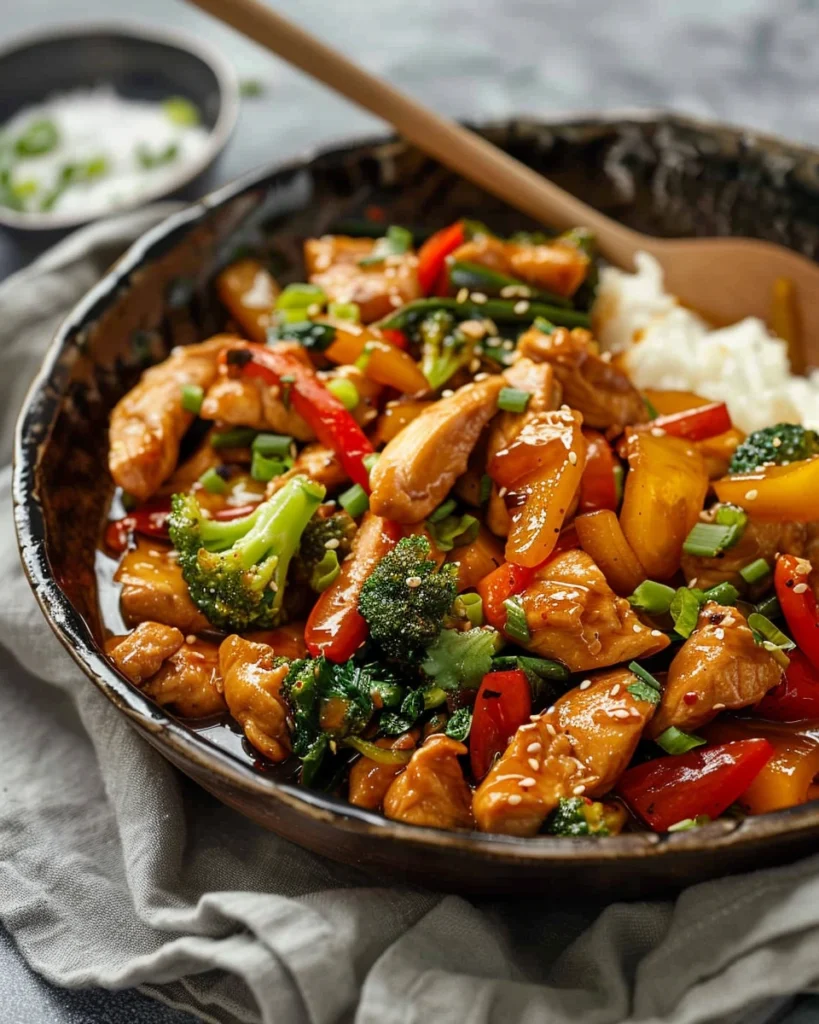
Variations & Flavor Boosters
Vegetable Swaps
Try using:
-
Zucchini
-
Baby corn
-
Bok choy
-
Cauliflower
Changing the vegetables keeps the dish interesting.
Protein Alternatives
If you want something different, swap the chicken with:
-
Shrimp
-
Beef
-
Tofu
-
Turkey
Each one brings a unique texture and flavor.
Different Sauce Ideas
You can adjust the sauce to match your mood:
-
Honey garlic
-
Chili garlic
-
Teriyaki
-
Coconut-ginger
Each variation gives you a new version of Chicken Stir Fry without changing much of the process.
Serving Ideas for Chicken Stir Fry
Classic Options
You can enjoy your Chicken Stir Fry with:
-
Rice
-
Noodles
-
Cauliflower rice for a lighter option
These pairings help the flavors stand out and make the meal more filling.
Healthy Meal Prep Ideas
Chicken Stir Fry is excellent for meal prep because it reheats well without losing texture. Portion it into containers with rice or quinoa and store it in the fridge for 3–4 days.
Tips for Making the Perfect Chicken Stir Fry
Use High Heat
High heat helps everything cook quickly and adds the slight caramelization that makes stir fries so flavorful.
Cut Ingredients Evenly
Uniform cuts cook more evenly and prevent some pieces from becoming too soft while others stay undercooked.
Don’t Crowd the Pan
When the pan is too full, the ingredients steam instead of frying, which affects the flavor and texture.
Add Aromatics at the Right Time
Garlic and ginger are key to flavor, but they burn easily. Add them after the chicken has browned to keep them fragrant and not bitter.
Storage, Freezing, and Reheating
Storing in the Fridge
You can store Chicken Stir Fry in an airtight container for up to 4 days. The sauce helps keep everything moist.
Freezing Tips
You can freeze the dish, but vegetables like broccoli may soften. Let it cool before storing in freezer-safe bags or containers.
Reheating Tips
Reheat on the stove or in the microwave. Adding a splash of water helps refresh the sauce.
Nutrition Benefits of Chicken Stir Fry
High in Protein
Chicken provides a solid dose of lean protein, keeping you full and energized.
Rich in Vitamins and Fiber
Vegetables add vitamin C, antioxidants, and fiber, supporting your immune system and overall health.
Lighter Than Takeout
You control the oil and sodium, which makes this dish much lighter than restaurant options.
Common Mistakes to Avoid
Overcrowding the Pan
A crowded pan traps moisture and prevents browning.
Overcooking the Vegetables
Your vegetables should stay crisp, not mushy.
Adding Too Much Sauce
You want just enough to coat the chicken and vegetables without drowning them.
Not Drying the Chicken
Patting the chicken dry before cooking helps it brown faster.
FAQ
What makes a good Chicken Stir Fry?
Using fresh vegetables, high heat, and a balanced sauce gives you the best results.
Can you use frozen vegetables?
Yes, but thaw them first and pat them dry to avoid excess moisture.
How do you keep chicken tender?
Slice it thinly and marinate it briefly before cooking.
What sauce works best?
A mix of soy sauce, garlic, ginger, vinegar, and a bit of cornstarch for consistency works beautifully.
Can you meal prep Chicken Stir Fry?
Absolutely—it stores well and reheats easily.
Conclusion
A good Chicken Stir Fry gives you so much in so little time: flavor, color, freshness, and comfort. It’s the kind of dish you rely on when your schedule is full but you still want something homemade and nourishing. By mixing crisp vegetables, tender chicken, and a sauce that ties everything together, you’ll create a meal that feels satisfying and effortless at the same time. Whether you enjoy it with rice, noodles, or on its own, Chicken Stir Fry is a simple dish that never gets old—and one you’ll find yourself making again and again.
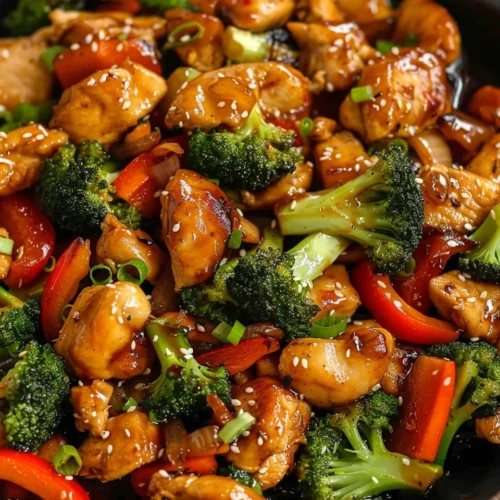
Chicken Stir Fry
Ingredients
- For the Stir Fry:
- 1 lb 450 g chicken breast or thighs, thinly sliced
- 2 tbsp oil vegetable, canola, or sesame
- 2 cups broccoli florets
- 1 bell pepper sliced
- 1 carrot thinly sliced
- 1 cup snap peas
- 1 small onion sliced
- 1 cup mushrooms sliced
- For the Sauce:
- 1/4 cup soy sauce
- 2 cloves garlic minced
- 1 tsp fresh ginger grated
- 1 tsp sesame oil
- 1 tbsp rice vinegar
- 1/4 cup chicken broth or water
- 1 tsp cornstarch optional, for thickening
- Optional Garnishes:
- Sesame seeds
- Green onions sliced
- Lime wedges
Instructions
- Prep Ingredients:
- Slice chicken and vegetables into uniform pieces for even cooking.
- Marinate Chicken:
- Toss chicken with a splash of soy sauce, garlic, ginger, and sesame oil for 5–10 minutes.
- Cook Chicken:
- Heat a large pan or wok over high heat with oil.
- Stir fry chicken until golden and cooked through, about 4–5 minutes. Remove from pan.
- Stir Fry Vegetables:
- Add vegetables starting with those that need longer cooking (carrots, broccoli), then softer vegetables (bell pepper, mushrooms).
- Stir continuously to maintain crispness.
- Add Sauce and Combine:
- Mix sauce ingredients and pour over chicken and vegetables.
- Toss until evenly coated and sauce thickens slightly.
- Serve:
- Garnish with sesame seeds, green onions, or a squeeze of lime.
- Serve over rice, noodles, or cauliflower rice.
Notes
- High Heat: Ensures vegetables stay crisp and chicken browns nicely.
- Uniform Cuts: Cook evenly and prevent overcooked or undercooked pieces.
- Avoid Overcrowding: Cook in batches if needed to prevent steaming.
- Add Aromatics Last: Garlic and ginger burn quickly—add after chicken is nearly done.