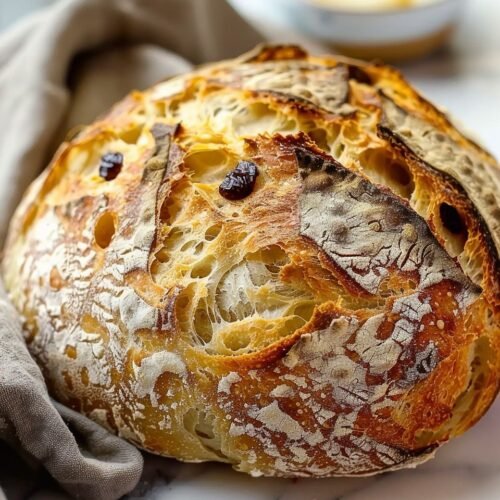
Golden Sourdough Bread with a Soft Chewy Center

There’s something magical about the smell of freshly baked bread wafting through your kitchen. It evokes memories of cozy mornings, shared breakfasts, and the simple joy of homemade comfort. Baking sourdough bread, in particular, has a special place in the hearts of home bakers—it’s both a science and an art, rewarding patience with a golden crust and a soft, chewy center that melts in your mouth.
If you’ve ever sliced into a loaf and felt proud of the airy crumb and rich aroma, you know the satisfaction of sourdough baking. Making Golden Sourdough Bread with a Soft Chewy Center isn’t just about following a recipe—it’s about creating a loaf that fills your home with warmth and your meals with flavor. Whether you enjoy it as toast, sandwiches, or simply with a pat of butter, this bread is sure to become a favorite in your household.
Why You’ll Fall in Love with Golden Sourdough Bread
Sourdough has risen in popularity for good reason. This golden loaf offers:
-
A Crunchy, Golden Crust: Perfectly baked for that satisfying crunch with every bite.
-
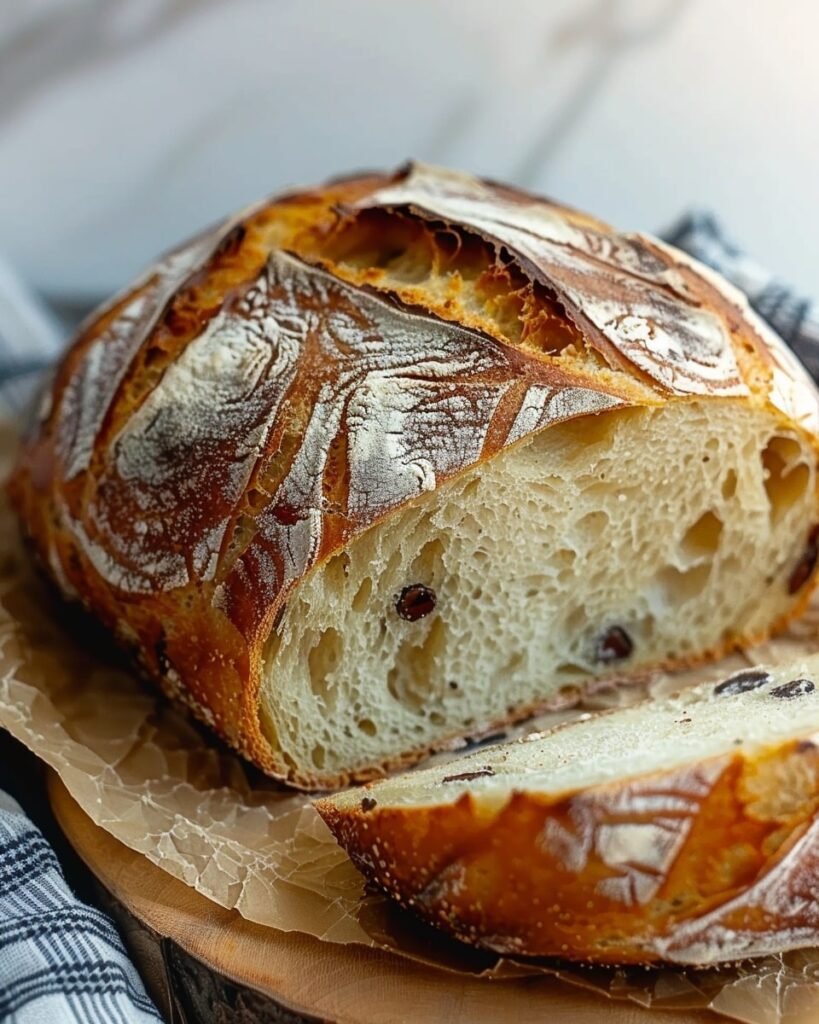
Soft, Chewy Interior: The tender crumb provides the perfect contrast to the crust.
-
Versatility: Ideal for sandwiches, toasts, or simply enjoying with butter or jam.
-
Health Benefits: Naturally fermented sourdough is easier to digest and has a lower glycemic index than standard bread.
-
Longevity: Properly baked and stored, sourdough keeps longer without preservatives due to its natural fermentation.
Home baking of sourdough allows you to control ingredients and flavor, giving you a healthier and more flavorful loaf than most store-bought options.
Ingredients for Golden Sourdough Bread
Making a delicious loaf starts with high-quality ingredients. Here’s what you’ll need:
Essential Ingredients
-
3 cups bread flour (or all-purpose flour)
-
1 cup active sourdough starter
-
1 cup lukewarm water
-
2 teaspoons salt
Optional Ingredients for Added Flavor
-
1–2 tablespoons olive oil or melted butter for richness
-
Seeds such as sesame, sunflower, or flax for a crunchy topping
-
Herbs like rosemary or thyme for aromatic bread
Tips for Choosing Ingredients
-
Use a mature, active starter for the best rise and flavor.
-
High-protein flour ensures a good gluten structure and chewy crumb.
-
Filtered water can help achieve consistent fermentation results.
Step-by-Step Instructions for Baking Golden Sourdough Bread
Preparing the Starter
-
Feed your starter 4–8 hours before baking until it’s bubbly and active.
-
Ensure it has a pleasant, tangy aroma. A healthy starter is key to a soft, chewy loaf.
Mixing and Kneading the Dough
-
Combine the flour, water, and starter until just incorporated.
-
Let it rest for 30 minutes (autolyse) to allow gluten to develop.
-
Add salt and knead until smooth and elastic.
-
Optional: Use the stretch-and-fold technique every 30 minutes during the first two hours to improve gluten structure.
Bulk Fermentation
-
Let the dough rest at room temperature for 4–6 hours.
-
Fold the dough gently every 30–60 minutes to help with air incorporation.
-
Look for doubling in size and visible bubbles on the surface as a sign of proper fermentation.
Shaping and Final Proof
-
Gently shape the dough into a boule, batard, or place it in a loaf pan.
-
Place it on parchment paper or a floured proofing basket.
-
Let it proof for 1–2 hours until slightly puffy and springy to the touch.
Scoring and Baking
-
Preheat your oven to 450°F (230°C) with a Dutch oven or baking stone.
-
Score the dough to allow controlled expansion.
-
Bake for 30–45 minutes until golden brown. For a crisp crust, add steam during the first 10 minutes.
-
Remove from oven and let cool on a wire rack for at least 1 hour to set the crumb.
Tips for Perfect Golden Sourdough Bread
-
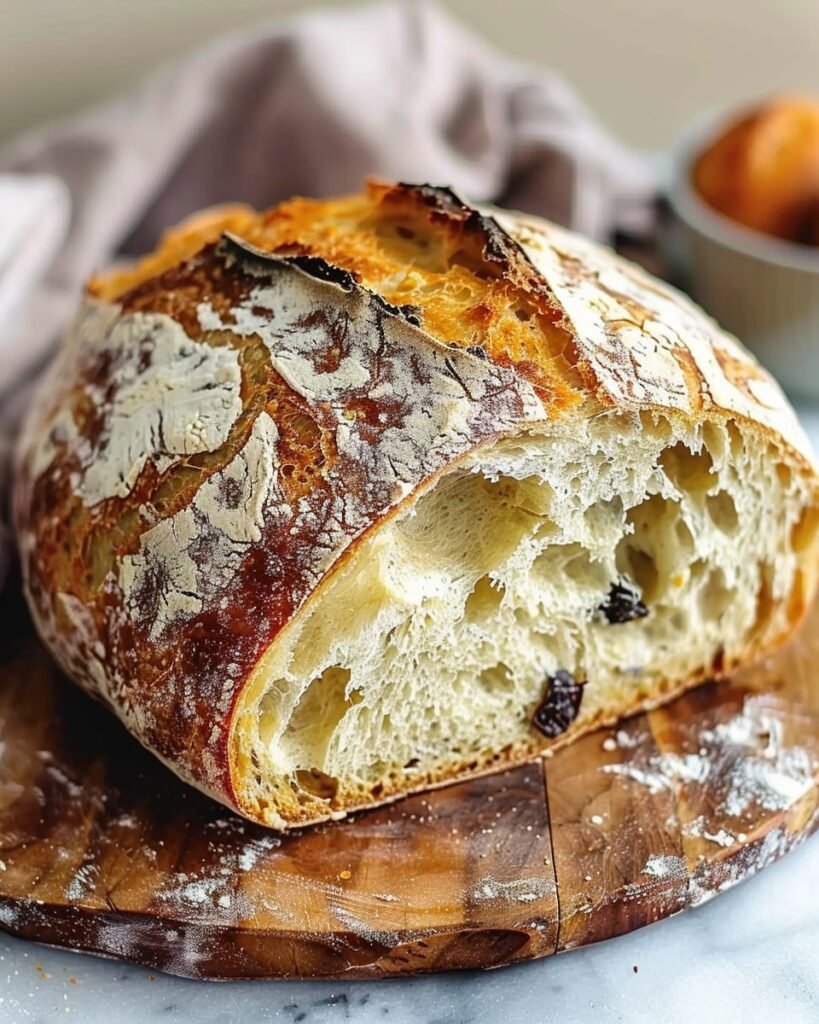
Hydration Matters: Higher hydration yields a softer, chewier crumb.
-
Do Not Overproof: Overproofing leads to a collapsed loaf.
-
Steam for Crust: Use a Dutch oven or add a pan of water to create steam for a shiny, crisp crust.
-
Proper Scoring: Ensures the bread expands without tearing unevenly.
-
Cool Completely: Slicing too soon can make the interior gummy.
These small details make a significant difference between a good loaf and an exceptional one.
Fun Variations and Flavor Enhancements
Baking sourdough offers endless creativity. Try these variations:
-
Herbed Sourdough: Incorporate rosemary, thyme, or garlic into the dough.
-
Seeded Sourdough: Add sunflower, sesame, or flax seeds for texture and visual appeal.
-
Whole Wheat Sourdough: Replace part of the flour with whole wheat for a nuttier flavor and denser crumb.
-
Cheesy Sourdough: Fold in shredded cheddar or Parmesan for a savory twist.
These variations allow you to tailor the bread to your taste and elevate it for special occasions or everyday enjoyment.
Frequently Asked Questions
How do I know if my sourdough starter is active?
-
It should double in size within 4–8 hours of feeding and be bubbly with a tangy aroma.
Why is my sourdough bread dense instead of soft and chewy?
-
Causes may include underproofing, inactive starter, or low hydration. Adjusting any of these factors can improve your loaf.
Can I use a stand mixer instead of hand-kneading?
-
Yes, mix on low speed with a dough hook for 5–10 minutes until smooth and elastic.
How do I get a crispy crust?
-
Bake in a Dutch oven or create steam during the first 10 minutes of baking.
How should I store sourdough bread?
-
Keep at room temperature in a paper bag or bread box for 2–3 days. For longer storage, freeze slices or the entire loaf.
Conclusion
Baking Golden Sourdough Bread with a Soft Chewy Center is an incredibly rewarding experience. From mixing the dough to watching it rise and finally slicing into a golden, tender loaf, every step offers satisfaction and comfort. Not only does this bread taste amazing, but it also fills your home with warmth and a sense of accomplishment.
Golden Sourdough Bread with a Soft Chewy Center
Ingredients
- Essential Ingredients
- 3 cups bread flour or all-purpose flour
- 1 cup active sourdough starter
- 1 cup lukewarm water
- 2 teaspoons salt
- Optional Ingredients for Flavor & Texture
- 1 –2 tablespoons olive oil or melted butter
- 2 tablespoons seeds sesame, sunflower, flax for topping
- 1 teaspoon herbs rosemary or thyme for aroma
Instructions
- Prepare Your Starter
- Feed your sourdough starter 4–8 hours before baking. Make sure it’s bubbly, active, and smells pleasantly tangy.
- Mix the Dough
- In a large bowl, mix flour, water, and starter until just combined. Let it rest for 30 minutes (autolyse).
- Add Salt & Knead
- Add salt, then knead until smooth and elastic (about 8–10 minutes).
- Optional: Perform 2–3 stretch-and-folds every 30 minutes for stronger gluten.
- Bulk Fermentation
- Cover the dough and let it rest for 4–6 hours at room temperature, folding occasionally.
- It’s ready when it doubles in size and shows bubbles on the surface.
- Shape & Proof
- Shape into a boule or batard. Place in a floured proofing basket or loaf pan.
- Proof 1–2 hours until slightly puffy and springy to the touch.
- Preheat & Score
- Preheat oven to 450°F (230°C) with a Dutch oven inside.
- Score the dough using a sharp blade to guide expansion.
- Bake to Golden Perfection
- Place dough in the hot Dutch oven. Cover and bake 25 minutes, then uncover and bake 10–20 minutes more until golden brown.
- Cool Before Slicing
- Let the bread cool completely on a wire rack for at least 1 hour before slicing.
Notes
- Hydration = Soft Crumb: Add a touch more water for extra chewiness.
- Steam for Crust: Bake with steam or in a Dutch oven for a crisp exterior.
- Don’t Overproof: Slightly underproofed dough gives a better oven spring.
- Cool Fully: Cutting too early makes the crumb gumm