Minestrone Soup
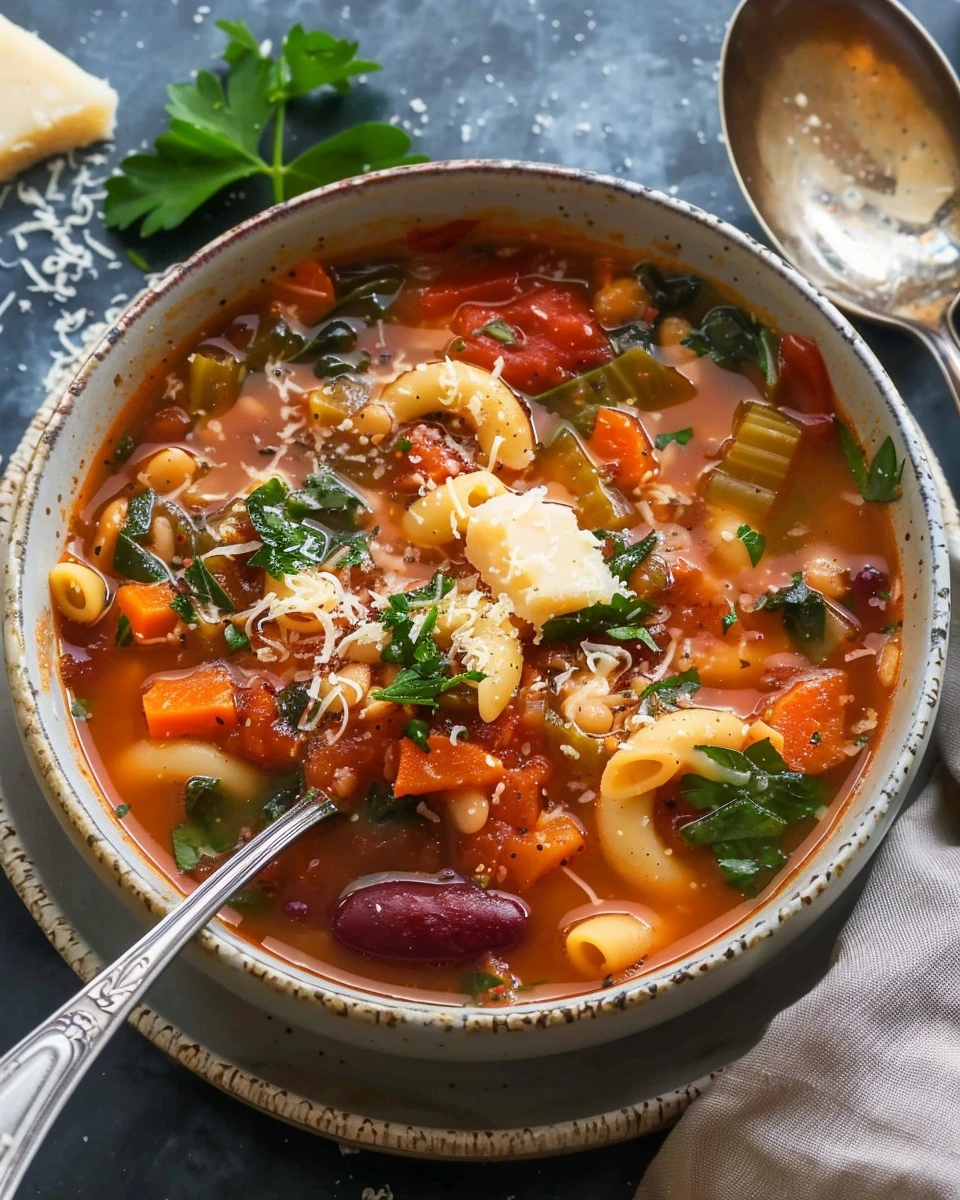
There’s something uniquely comforting about a steaming bowl of soup on a chilly day. You take a spoonful, and it’s like a warm hug from the inside, filling you with both flavor and satisfaction. That’s the magic of Minestrone Soup — a vibrant, vegetable-packed, and utterly satisfying dish that has been a cornerstone of Italian cuisine for centuries. Whether you’re craving a light lunch, a nutritious dinner, or simply a cozy meal to soothe the soul, this soup has a way of making you feel cared for with every bite.
With its rich mix of vegetables, beans, and pasta or rice, Minestrone Soup is not only flavorful but also incredibly versatile. It adapts to whatever you have on hand, making it perfect for busy weeknights or leisurely weekend cooking. Let’s explore everything you need to know to make the perfect bowl of this classic Italian soup.
Why Minestrone Soup is So Special
A Nutritious and Versatile Meal
Minestrone isn’t just a soup; it’s a celebration of fresh ingredients. The combination of vegetables, legumes, and small pasta or rice gives you a balanced meal that is both filling and satisfying. You can adjust the recipe depending on the season or your pantry — think zucchini in summer, hearty root vegetables in winter, or whatever beans you have on hand.
Benefits of Minestrone Soup
-
High in Fiber: Beans and vegetables provide a healthy dose of dietary fiber, keeping you full longer.
-
Rich in Vitamins and Minerals: Tomatoes, spinach, carrots, and other vegetables supply essential nutrients like vitamin A, C, and potassium.
-
Low in Calories: While nourishing, Minestrone Soup is light and easy on the stomach, making it suitable for all ages.
This combination of nutrition, flavor, and adaptability is what makes Minestrone Soup a go-to comfort meal in households worldwide.
Ingredients Needed for Minestrone Soup
Core Ingredients
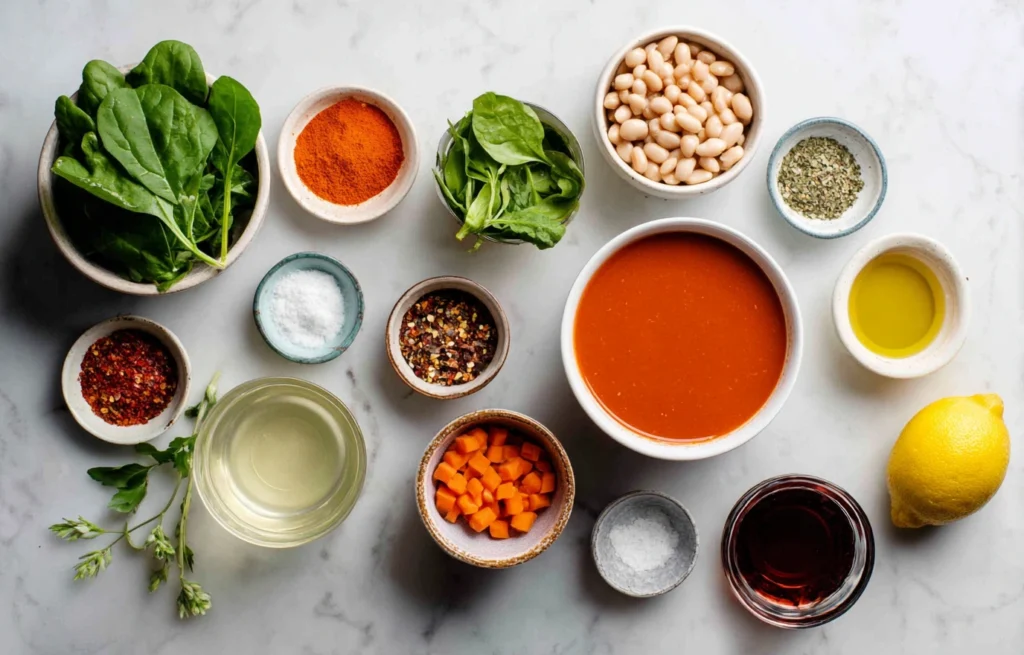
To make this classic soup, you’ll need:
-
Olive oil – for sautéing and flavor.
-
Onion, garlic, carrots, and celery – the traditional soffritto base.
-
Seasonal vegetables – such as zucchini, green beans, potatoes, or spinach.
-
Canned or fresh tomatoes – for a rich, savory broth.
-
Vegetable or chicken broth – the soup’s foundation.
-
Beans – cannellini, kidney, or chickpeas for protein and texture.
-
Small pasta or rice – ditalini, elbow pasta, or rice works best.
-
Fresh herbs – parsley, basil, and thyme add aromatic depth.
-
Salt and pepper – to taste.
Optional Ingredients
-
Parmesan rind – for added richness.
-
Red pepper flakes – to add subtle heat.
-
Lemon juice or vinegar – brightens flavors.
-
Croutons or toasted bread – for a crunchy topping.
By mixing and matching these ingredients, you can tailor the soup to suit your taste and pantry availability.
Step-by-Step Instructions for Minestrone Soup
Preparing the Base
-
Heat a few tablespoons of olive oil in a large soup pot.
-
Add chopped onions, garlic, carrots, and celery.
-
Sauté until fragrant and tender, about 5–7 minutes.
This aromatic base, called soffritto in Italian cuisine, forms the flavor foundation for your soup.
Adding Vegetables and Broth
-
Add your seasonal vegetables to the pot.
-
Stir for 2–3 minutes to coat them in oil and flavor.
-
Pour in the vegetable broth and canned tomatoes.
-
Season with salt, pepper, and your chosen herbs.
This step builds the soup’s body, balancing the sweet notes of vegetables with the savory depth of the broth.
Cooking Beans and Pasta
-
Add pre-cooked or canned beans to the pot.
-
Bring the soup to a gentle boil, then reduce to a simmer.
-
Add pasta or rice and cook until tender, typically 10–15 minutes.
Pro tip: Avoid overcooking pasta; it can absorb too much broth and become mushy.
Finishing Touches
-
Stir in leafy greens like spinach or kale near the end of cooking.
-
Adjust seasoning to taste, adding a splash of lemon juice or vinegar if desired.
-
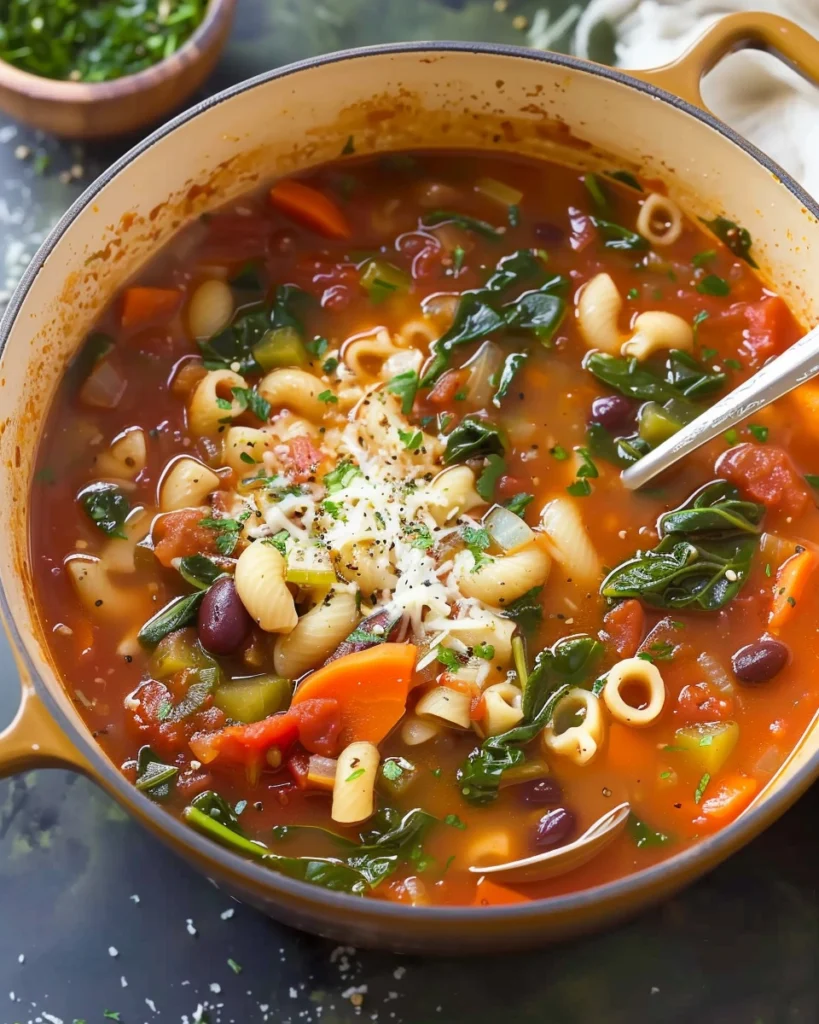
Serve hot, optionally topped with freshly grated Parmesan or a drizzle of olive oil.
Tips for the Best Minestrone Soup
-
Use fresh, seasonal vegetables for maximum flavor and nutrition.
-
Let the soup simmer gently; slow cooking allows flavors to meld.
-
Use sturdy bread or croutons on the side for added texture.
-
Make ahead: Minestrone Soup often tastes better the next day as flavors deepen.
-
Experiment with herbs: Fresh parsley, basil, and thyme add brightness and aroma.
These simple tips ensure that your soup is always flavorful and satisfying.
Variations of Minestrone Soup
Classic Italian Minestrone
-
Sticks to traditional vegetables, beans, and small pasta for authenticity.
Low-Carb Minestrone
-
Replace pasta with zucchini noodles or cauliflower rice for a lighter option.
Protein-Packed Minestrone
-
Add extra beans, lentils, or shredded chicken to increase protein content.
Creamy Minestrone
-
Blend a portion of the soup to create a thicker, creamier texture without using cream.
These variations allow you to enjoy Minestrone Soup in countless ways while keeping it nutritious and delicious.
Nutritional Benefits of Minestrone Soup
-
High Fiber: Beans and vegetables help with digestion and satiety.
-
Rich in Vitamins: Carrots, tomatoes, and leafy greens provide essential nutrients.
-
Low in Fat: Olive oil provides healthy fats without excess calories.
-
Supports Heart Health: Beans and vegetables are linked to improved cardiovascular health.
-
Flexible for Dietary Needs: Can be made vegetarian, vegan, or gluten-free.
With these benefits, Minestrone Soup isn’t just comforting — it’s a wholesome choice that fuels your body.
Frequently Asked Questions
Is Minestrone Soup vegetarian or vegan?
-
Yes, traditional recipes are vegetarian, and it can be vegan if you use vegetable broth.
Can I freeze Minestrone Soup?
-
Absolutely, but it’s best to add pasta or rice after reheating to maintain texture.
What’s the best way to store leftovers?
-
Store in an airtight container in the fridge for up to 4–5 days.
Can I make Minestrone Soup ahead of time?
-
Yes, flavors often deepen if the soup rests overnight in the fridge.
Can I use canned vegetables?
-
Fresh vegetables are preferred, but canned or frozen vegetables work in a pinch.
Conclusion
Minestrone Soup is a timeless classic that combines comfort, nutrition, and flexibility. With its mix of vegetables, beans, and pasta or rice, it’s a meal that satisfies both the body and soul. It’s ideal for busy weeknights, leisurely weekend dinners, or whenever you need a warm, nourishing bowl of comfort.
By experimenting with seasonal vegetables, herbs, and proteins, you can create a Minestrone Soup that fits your taste and dietary needs perfectly. Whether you serve it as a light lunch, a hearty dinner, or a starter for a larger meal, this soup proves that simple, wholesome ingredients can deliver profound flavor and satisfaction.

Minestrone Soup
Ingredients
- Core Ingredients:
- 2 tbsp olive oil
- 1 medium onion chopped
- 2 garlic cloves minced
- 2 carrots diced
- 2 celery stalks diced
- 2 –3 cups seasonal vegetables zucchini, green beans, potatoes, or spinach
- 1 can 14 oz diced tomatoes (or fresh equivalent)
- 4 cups vegetable or chicken broth
- 1 can 15 oz beans, drained and rinsed (cannellini, kidney, or chickpeas)
- ½ –1 cup small pasta or rice ditalini, elbow pasta, or rice
- 2 tbsp fresh herbs parsley, basil, thyme
- Salt and pepper to taste
- Optional Ingredients:
- Parmesan rind for extra richness
- Red pepper flakes for heat
- Lemon juice or vinegar for brightness
- Croutons or toasted bread for serving
Instructions
- Step 1 — Prepare the Base
- Heat olive oil in a large soup pot.
- Add onions, garlic, carrots, and celery.
- Sauté until fragrant and tender, about 5–7 minutes.
- Step 2 — Add Vegetables and Broth
- Stir in seasonal vegetables and cook for 2–3 minutes.
- Add diced tomatoes and broth.
- Season with salt, pepper, and herbs.
- Step 3 — Cook Beans and Pasta
- Add drained beans.
- Bring to a gentle boil, then reduce to a simmer.
- Add pasta or rice and cook until tender, about 10–15 minutes.
- Tip: Avoid overcooking pasta to prevent mushiness.
- Step 4 — Finishing Touches
- Stir in leafy greens near the end of cooking.
- Adjust seasoning; add a splash of lemon juice or vinegar if desired.
- Serve hot, optionally topped with Parmesan or a drizzle of olive oil.
Notes
- Use fresh, seasonal vegetables for maximum flavor.
- Let the soup simmer gently to allow flavors to meld.
- Sturdy bread or croutons add texture.
- Make ahead: tastes even better the next day.
- Experiment with fresh herbs for brightness.