Easy Yeast Bread Recipe
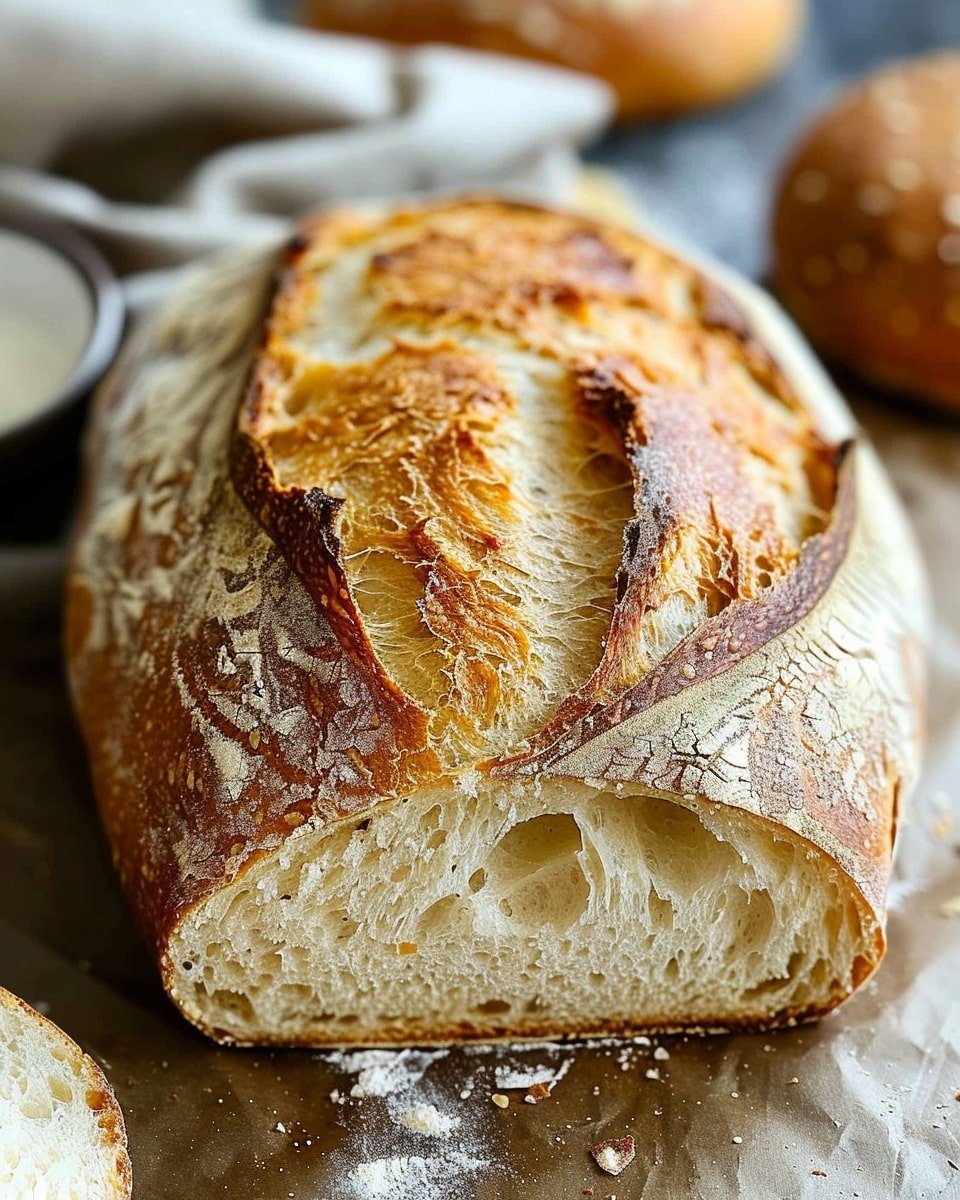
If you’ve ever thought that making homemade bread is too complicated or time-consuming, you’re about to be pleasantly surprised. This easy yeast bread recipe shows you that anyone — even without prior baking experience can make soft, fluffy, bakery-worthy bread right at home. All you need are a few simple ingredients, a bit of time, and a willingness to get your hands into the dough.
Why You’ll Love This Easy Yeast Bread Recipe
-
Simplicity: You don’t need fancy equipment or complex steps.
-
Versatility: You can shape it into loaves, rolls, or even pizza bases.
-
Flavor: Freshly baked bread tastes richer, fresher, and more satisfying than anything you’ll find on a store shelf.
-
Control: You decide what goes in — no preservatives or artificial ingredients.
Ingredients You’ll Need for Yeast Bread
Basic Ingredients for the Best Yeast Bread
-
3 ½ cups all-purpose flour (or bread flour for a chewier texture)
-
1 packet (2 ¼ tsp) active dry yeast
-
1 cup warm water (about 110°F / 43°C)
-
2 tbsp sugar or honey
-
2 tbsp melted butter or olive oil
-
1 tsp salt
Each ingredient plays a role: flour builds structure, yeast brings the rise, sugar feeds the yeast, and butter adds softness and flavor.
Choosing the Right Yeast
If you’re new to baking, understanding yeast helps you avoid mistakes.
-
Active Dry Yeast: Must be dissolved in warm water before mixing.
-
Instant Yeast: Can go directly into your dry ingredients.
💡 Tip: To test yeast freshness, mix it with warm water and sugar. If it bubbles within 10 minutes, it’s alive and ready to use.
Step-by-Step Guide – How to Make Easy Yeast Bread
This process might look long at first glance, but once you try it, you’ll see how simple it truly is.
Step 1 – Activate the Yeast
In a large bowl, mix warm water, sugar, and yeast. Let it rest for about 10 minutes until foamy. This step ensures your yeast is active — no foam means the yeast is dead, and the dough won’t rise.
Step 2 – Mix the Dough
Add salt, melted butter, and flour, one cup at a time. Stir until a rough dough forms. You’ll know it’s ready when it pulls away from the sides of the bowl.
Step 3 – Knead the Dough
Turn the dough onto a floured surface and knead for 8–10 minutes. You’re developing gluten — the stretchy strands that give bread its texture.
To test if it’s kneaded enough, stretch a small piece of dough. If it forms a thin “windowpane” without tearing, you’re there.
Step 4 – Let It Rise
Place your dough in a greased bowl, cover it with a towel, and let it rise for 1–2 hours in a warm spot. It should double in size.
During this time, the yeast is feeding and releasing gas, which makes your bread light and airy.
💡 Pro Tip: If your kitchen is cold, preheat your oven for one minute, turn it off, and let the dough rise inside.
Step 5 – Shape and Second Rise
Once risen, punch the dough gently to release air bubbles. Shape it into a loaf and place it in a greased pan. Cover and let it rise again for 30–45 minutes. This second rise helps create a tender crumb and a fuller loaf.
Step 6 – Bake the Bread
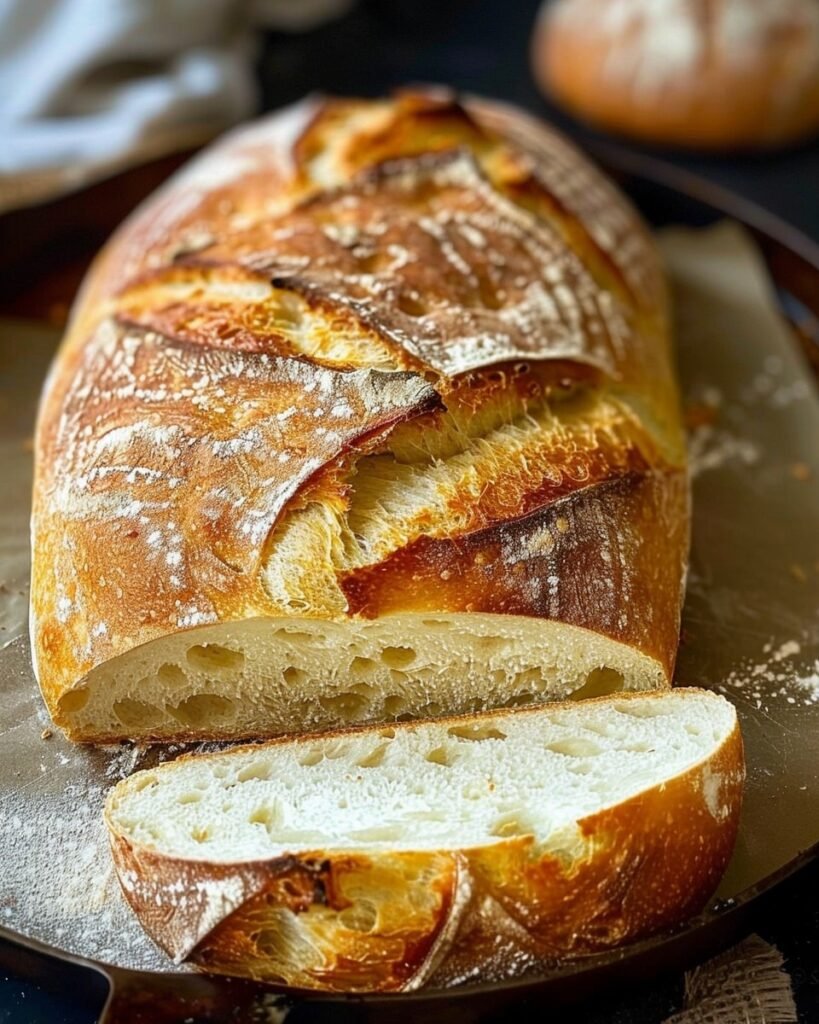
Preheat your oven to 375°F (190°C). Bake for 25–30 minutes until the crust turns golden brown. Tap the bottom of the loaf — if it sounds hollow, it’s done.
Step 7 – Cool and Serve
Resist the temptation to cut it immediately! Cooling allows steam to escape and prevents the bread from becoming gummy. Once cooled, slice and enjoy with butter, honey, or your favorite jam.

Expert Tips for Perfect Yeast Bread Every Time
Even simple recipes benefit from a few expert touches:
-
Watch the temperature: Water that’s too hot kills yeast; too cold slows it down.
-
Be patient: Don’t rush the rising time — this is when flavor develops.
-
Use bread flour for chewiness: It has more protein, giving structure to your loaf.
-
Add extra flavor: Mix in herbs, garlic, seeds,
Common Mistakes to Avoid When Making Yeast Bread
Bread-making is forgiving, but these are the common pitfalls that can ruin a loaf:
-
Using expired yeast (it won’t rise).
-
Mixing with water that’s too hot or too cold.
-
Under-kneading (results in dense bread) or over-kneading (makes it tough).
-
Skipping the second rise.
-
Slicing too early while it’s still hot — the texture collapses.
If something goes wrong, don’t worry. Every loaf teaches you something new.
Variations of Easy Yeast Bread Recipe
Once you’ve nailed the basic version, try these fun twists:
Whole Wheat Yeast Bread
Substitute half of the flour with whole wheat for a nuttier, heartier taste. Add a little extra water if needed since whole wheat absorbs more moisture.
Garlic Herb Bread
Mix minced garlic and dried herbs (like rosemary or thyme) into the dough. Brush with olive oil before baking for an aromatic, savory loaf.
Sweet Cinnamon Swirl Bread
Before shaping, roll out the dough, sprinkle with cinnamon and sugar, then roll it up and bake. Perfect for breakfast or dessert!
How to Store and Freeze Homemade Yeast Bread
Short-Term Storage
Once cooled, store your bread in an airtight bag at room temperature. It stays fresh for about 3 days. Avoid refrigerating — it dries out faster.
Freezing for Later
Wrap the loaf in plastic wrap, then aluminum foil. Freeze for up to 2 months. When you’re ready to eat, thaw at room temperature and reheat in the oven for 10 minutes.
Serving Ideas for Your Freshly Baked Bread
Your freshly baked loaf is incredibly versatile:
-
Spread butter, honey, or jam for a classic snack.
-
Make sandwiches, garlic toast, or croutons.
-
Use it for French toast the next morning.
-
Serve alongside soups, stews, or pasta.
It’s one of those recipes that effortlessly becomes part of your routine.
Frequently Asked Questions
Why didn’t my yeast bread rise?
If your bread didn’t rise, your yeast might be expired or the water temperature was off. Always proof your yeast before mixing to ensure it’s active.
Can I make yeast bread without a mixer?
Absolutely! Hand-kneading is traditional and gives you better control. It’s also therapeutic you’ll feel the dough come to life beneath your hands.
What’s the best flour for yeast bread?
Bread flour creates a chewy texture, while all-purpose gives a softer crumb. You can experiment with blends for different results.
Can I prepare the dough ahead of time?
Yes! After the first rise, refrigerate the dough overnight. It enhances flavor and saves time when you’re ready to bake.
How do I know when yeast bread is baked through?
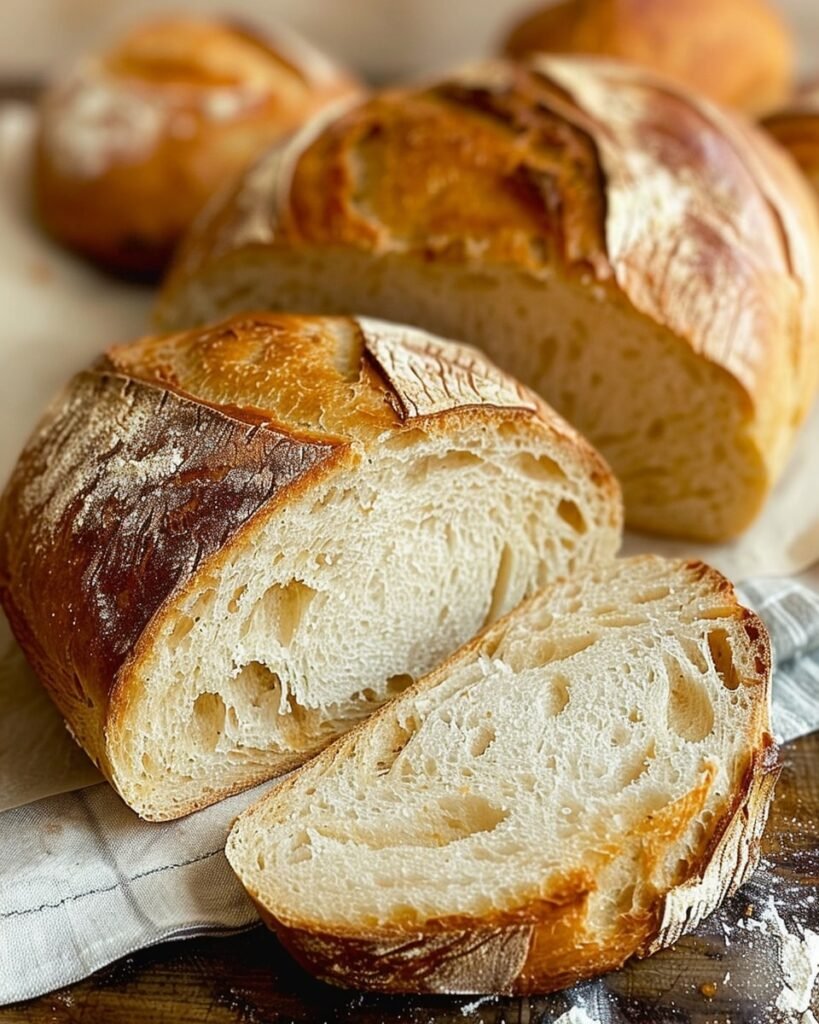
Tap the bottom — it should sound hollow. Or use a thermometer; the internal temperature should reach around 190°F (88°C).
Conclusion
Making homemade bread isn’t about perfection it’s about the process. The quiet mixing, the anticipation as the dough rises, and that proud moment when you cut into your first loaf.
This easy yeast bread recipe proves that baking doesn’t have to be complicated. With just a few ingredients and a bit of care, you can create bread that’s soft, flavorful, and made with love.
Easy Yeast Bread Recipe
Ingredients
- 3 ½ cups all-purpose flour or bread flour for a chewier texture
- 1 packet 2 ¼ tsp active dry yeast
- 1 cup warm water about 110°F / 43°C
- 2 tbsp sugar or honey
- 2 tbsp melted butter or olive oil
- 1 tsp salt
Instructions
- Activate the Yeast: In a large bowl, combine warm water, sugar, and yeast. Let sit for 10 minutes until foamy.
- Mix the Dough: Add salt, melted butter, and flour gradually. Stir until a soft dough forms and pulls away from the bowl.
- Knead: Turn onto a floured surface and knead for 8–10 minutes until smooth and elastic.
- First Rise: Place dough in a greased bowl, cover, and let rise for 1–2 hours or until doubled in size.
- Shape: Punch down the dough and form into a loaf. Place in a greased pan.
- Second Rise: Cover and let rise again for 30–45 minutes until puffy.
- Bake: Preheat oven to 375°F (190°C). Bake for 25–30 minutes until golden brown and hollow when tapped.
- Cool: Let cool completely before slicing to preserve texture.
Notes
- Test yeast freshness by proofing in warm water and sugar before starting.
- Don’t overheat the water too hot kills yeast.
- Bread flour adds chewiness; all-purpose gives a softer crumb.
- Brush the loaf with melted butter after baking for a shiny crust.
- Store at room temperature up to 3 days or freeze for 2 months.