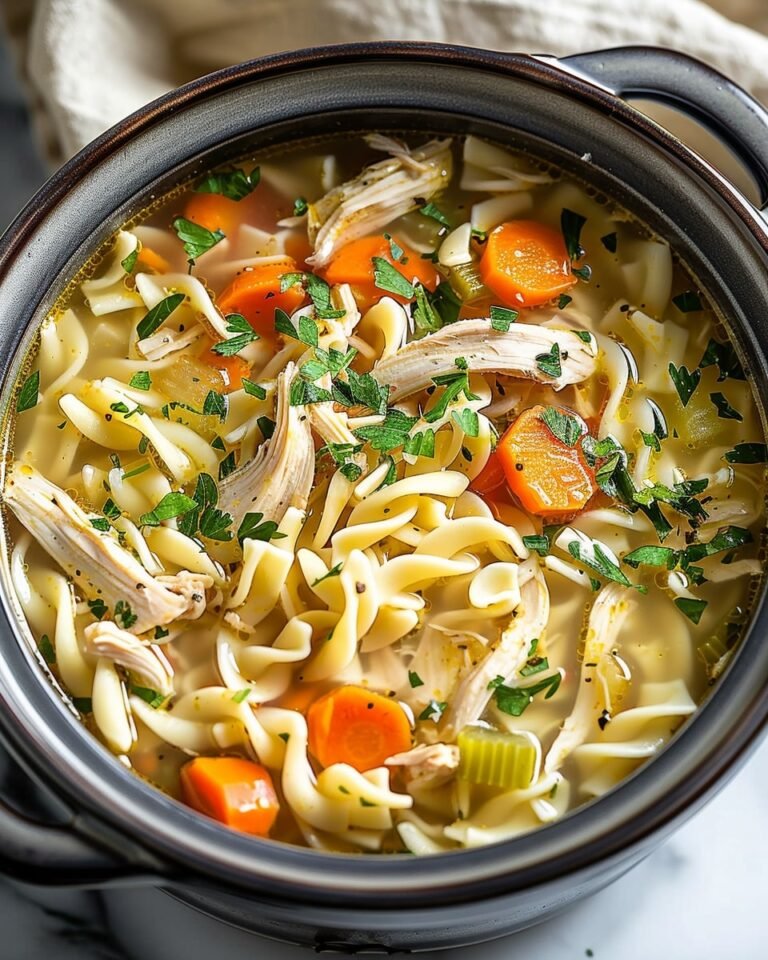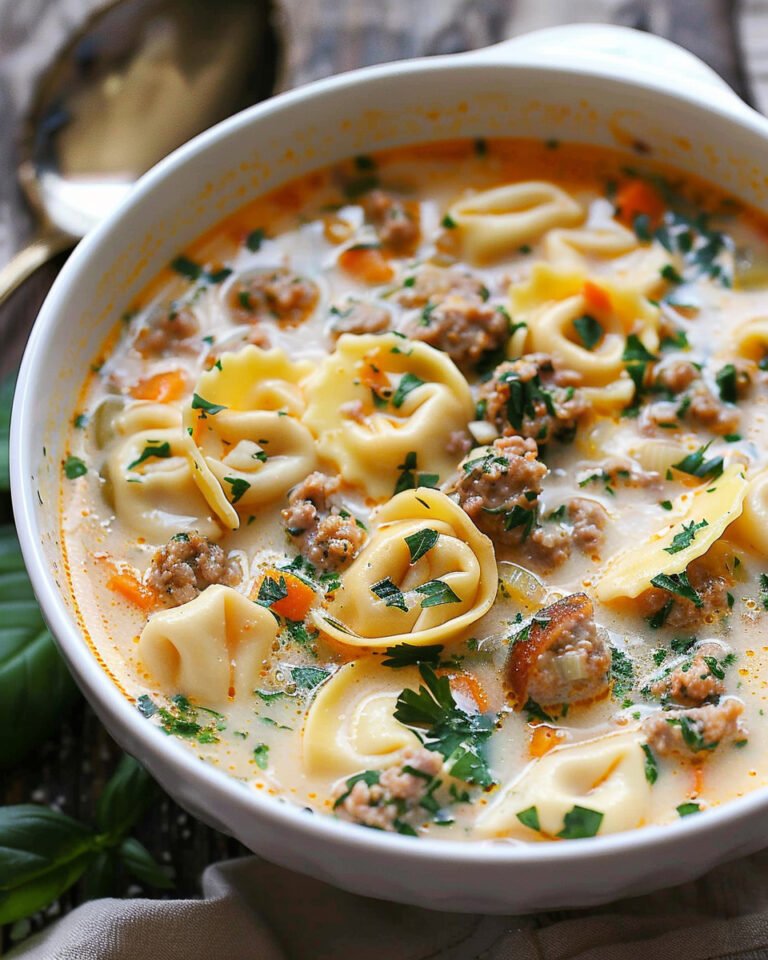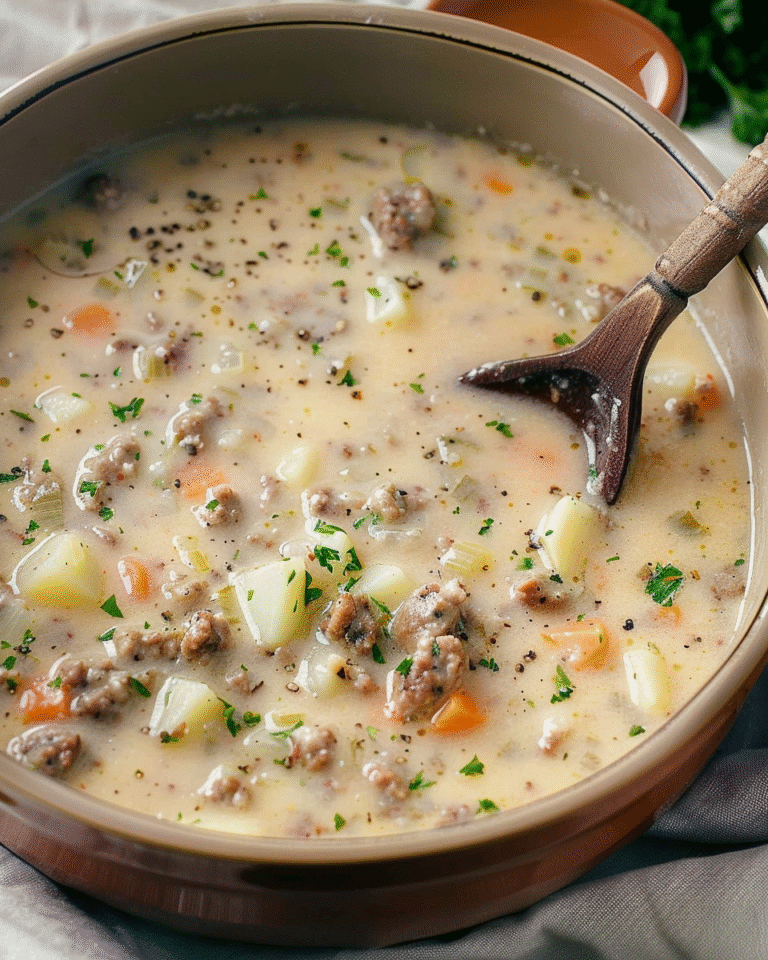
Korean Winter Soup
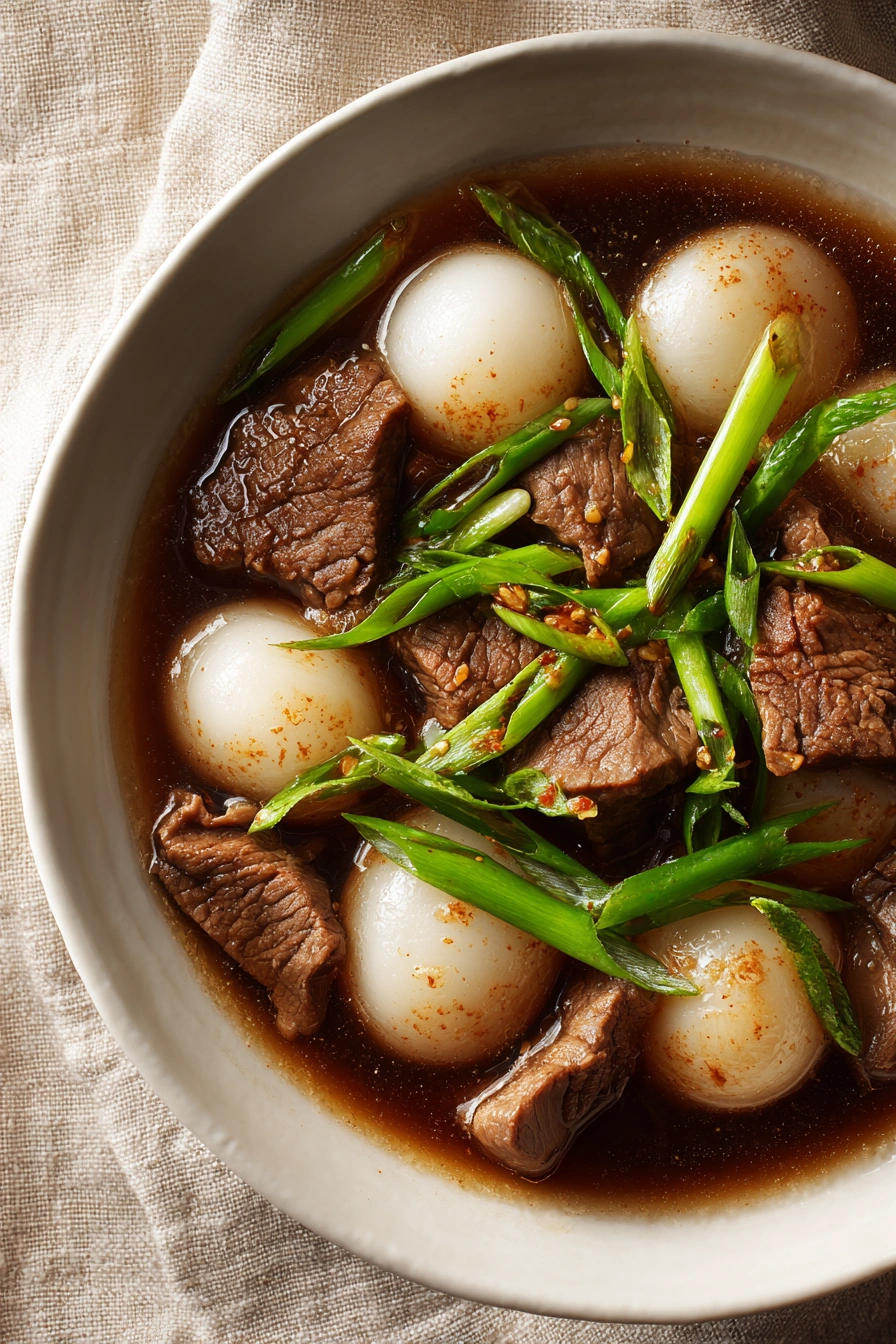
There’s a moment in winter when the cold seems to seep into everything—your clothes, your bones, even your mood. And on those days, nothing feels quite as healing as wrapping your hands around a warm bowl of soup. The steam rises, the aroma surrounds you, and suddenly the world feels calmer. That’s exactly the feeling a Korean Winter Soup Recipe brings to your table. It’s cozy, deeply flavorful, and filled with the kind of warmth that doesn’t just heat your body—it lifts your spirit. If you’ve been searching for a dish that brings comfort, nourishment, and rich Korean flavors together, you’re about to find your new favorite winter ritual.
What Makes This Korean Winter Soup Recipe Special?
Traditional Korean Flavors That Warm the Soul
One reason this soup stands out is the way it layers flavor. Korean cooking is known for mixing bold, savory, and spicy notes in a way that feels perfectly balanced. When you follow a Korean Winter Soup Recipe, you’re not just cooking—you’re building depth.
You get:
-
Heat from gochujang or gochugaru
-
Rich umami from doenjang (fermented soybean paste)
-
Subtle sweetness from vegetables
-
Comforting savoriness from the broth
These ingredients work together to create a soup that feels both energizing and soothing, making it perfect for cold days.
Nutrient-Rich Ingredients Perfect for Winter
What makes this soup even more appealing is how naturally nutritious it is. You’ll get a mix of vegetables packed with vitamins, protein that keeps you full, and aromatics known to support your immune system.
Typical benefits include:
-
Garlic and ginger for immune support
-
Mushrooms and cabbage for fiber and antioxidants
-
Protein options like beef, chicken, or tofu for energy
-
Broth that hydrates and replenishes minerals
This isn’t just comfort food—it’s food that cares for you.
Ingredients Needed for This Korean Winter Soup Recipe
Essential Korean Pantry Staples
To capture authentic Korean flavor, you’ll want a few basics on hand. These ingredients last long and elevate countless dishes, so they’re worth keeping stocked.
You will need:
-
Gochujang: Korean chili paste with heat and sweetness
-
Gochugaru: Korean chili flakes for spice control
-
Doenjang: Fermented soybean paste with deep umami
-
Soy Sauce: For savory seasoning
-
Sesame Oil: For nutty aroma and finishing
These staples give your soup its signature flavor.
Fresh Ingredients for Rich Winter Comfort
Alongside pantry items, fresh ingredients bring color, texture, and nutrition.
Most recipes use:
-
Protein: Thin beef slices, tofu cubes, or chicken pieces
-
Vegetables: Napa cabbage, mushrooms, carrots, potatoes
-
Aromatics: Garlic, ginger, green onions
They simmer together to create a broth that’s layered and comforting.
Optional Add-Ons to Customize
You can tailor your Korean Winter Soup Recipe based on your taste.
Popular add-ons include:
-
Glass noodles for added texture
-
Soft tofu for creaminess
-
Kimchi for tangy depth
-
A cracked egg added at the end
These additions transform the dish from simple to memorable.
Step-by-Step Guide to Making the Best Korean Winter Soup Recipe
Preparing the Broth Base
Start by heating oil in a pot and lightly sautéing garlic and onions until they turn golden and fragrant. This step is key—it forms the base of your flavor.
Next:
-
Add your protein and let it brown slightly.
-
Stir in your gochujang, doenjang, and soy sauce.
-
Let everything cook together for a minute or two to build richness.
Once the paste blends fully, pour in water or broth to begin forming the soup.
Layering Vegetables for Perfect Texture
Vegetables should go in stages so they cook evenly.
-
Add carrots and potatoes first. These take longer to soften.
-
After a few minutes, add mushrooms and cabbage.
-
Allow the soup to simmer gently—this keeps veggies tender without turning them mushy.
Within minutes, the aroma fills your kitchen, and you’ll know you’re on the right track.
Final Seasoning and Finishing Touches
Before serving, taste your soup.
Adjust by adding:
-
More soy sauce for saltiness
-
A spoon of gochujang for heat
-
A drizzle of sesame oil for aroma
Finish with sliced green onions and optional chili peppers for brightness.
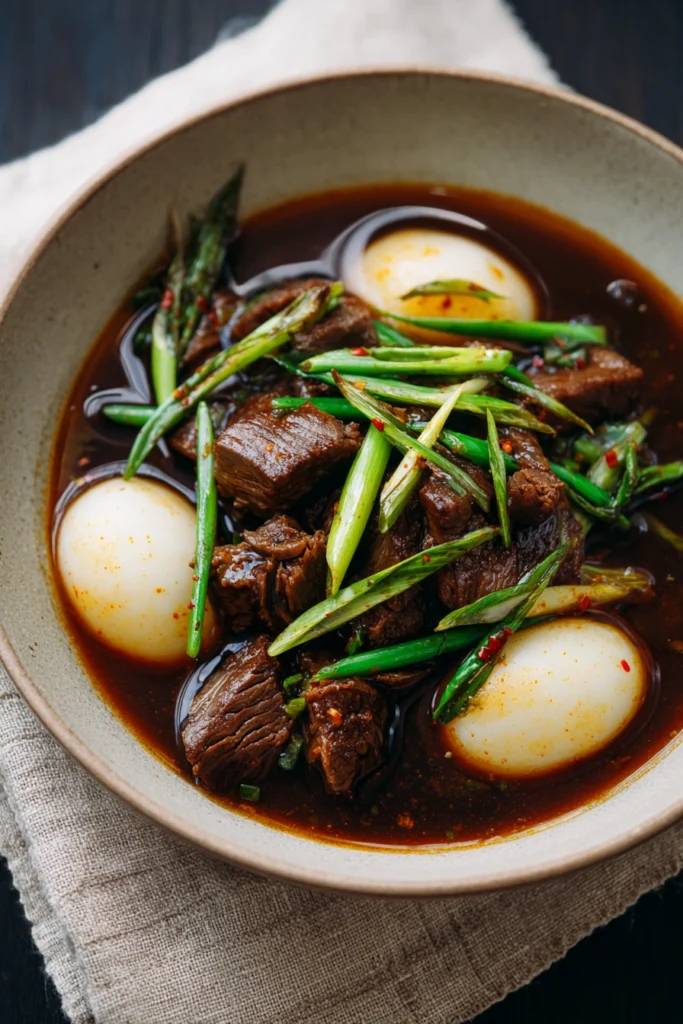
Variations of the Korean Winter Soup Recipe
Mild & Comforting Version
If you prefer something gentler, reduce the chili paste and flakes.
Try:
-
Adding soft tofu
-
Increasing napa cabbage or mushrooms
-
Using chicken broth for a softer flavor
This version is great if you want warmth without too much spice.
Spicy & Bold Winter Soup
For spice lovers, turn up the heat.
You can:
-
Add extra gochugaru
-
Use kimchi juice for richness
-
Mix mushrooms for extra umami
This variation becomes a vibrant, fiery bowl ideal for cold nights.
Protein-Specific Options
You can tailor the soup based on your protein preference:
-
Beef: Adds depth and richness
-
Chicken: Light but flavorful
-
Tofu: A great vegetarian option with a silky texture
Each protein creates a different experience but keeps the soup comforting.
Tips to Perfect Your Korean Winter Soup Recipe
Flavor-Boosting Techniques
To take your soup to the next level:
-
Sauté aromatics until they caramelize slightly
-
Deglaze with soy sauce to lift browned bits
-
Let the soup simmer longer for deeper flavor
Small steps make a big difference.
Storage and Reheating Tips
One of the best things about this soup is how well it stores.
-
Keep it in an airtight container for up to 4 days
-
The flavors actually get better the next day
-
Reheat gently on the stove to keep vegetables intact
Make-Ahead Tips
If you love meal prep:
-
Chop veggies in advance
-
Prepare broth and freeze it
-
Store seasoned protein separately
This makes weeknight cooking effortless.
Serving Ideas for Your Korean Winter Soup Recipe
Ideal Pairings
To make your meal feel complete, serve your soup with:
-
Hot steamed rice
-
Kimchi
-
Korean banchan (side dishes)
-
Roasted seaweed sheets
These extras add flavor and texture contrast.
How to Elevate the Experience
Try:
-
Cracking an egg into the hot soup
-
Serving in pre-warmed bowls
-
Setting up a toppings station when cooking for guests
These simple touches create a cozy, restaurant-like experience at home.
Frequently Asked Questions
What makes a Korean Winter Soup Recipe authentic?
Authenticity comes from using traditional staples like gochujang, gochugaru, and doenjang, along with a slow-simmered broth that develops deep, layered flavor.
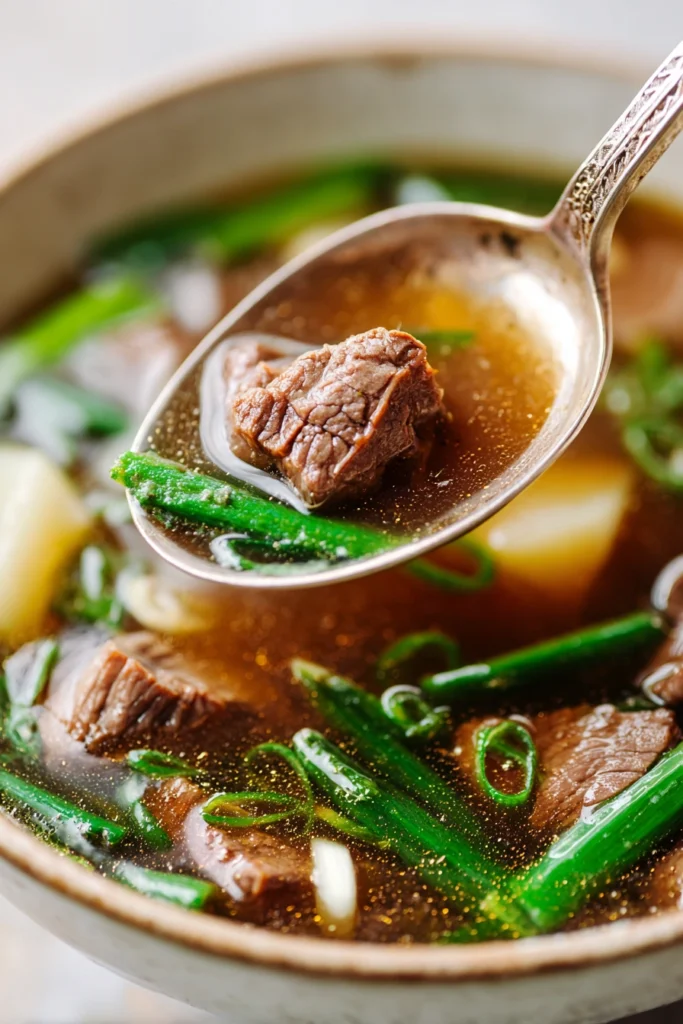
Can you make this Korean Winter Soup Recipe without spice?
Absolutely. Reduce chili paste and flakes, add more vegetables, and rely on soy sauce and broth for flavor.
What protein works best in this soup?
Beef brings richness, chicken keeps it light, and tofu creates a vegetarian-friendly bowl with great texture.
Can you freeze the soup?
Yes. Freeze without noodles (if using), store in airtight containers, and thaw slowly before reheating.
How long does it take to cook?
Prep usually takes 10–15 minutes, and simmering takes around 20–25 minutes, depending on your vegetable choices.
Conclusion
A Korean Winter Soup Recipe isn’t just food—it’s warmth you can taste. It brings together comfort, nourishment, and vibrant Korean flavors in one simple pot. Whether you like your soup spicy and bold or mild and soothing, you can adjust it to fit your mood. And once you’ve made it, you’ll understand why so many people turn to this dish during the coldest days of the year. So grab your ingredients, warm your pot, and enjoy a bowl that feels like a hug from the inside out.
Korean Winter Soup
Ingredients
- Essential Pantry Ingredients
- 1 tablespoon sesame oil
- 2 tablespoons soy sauce
- 1 tablespoon gochujang Korean chili paste
- 1 teaspoon gochugaru Korean chili flakes
- 1 tablespoon doenjang fermented soybean paste
- Protein Options
- 200 g thinly sliced beef chicken, or tofu
- Vegetables
- 1 cup napa cabbage chopped
- ½ cup carrots sliced
- ½ cup mushrooms sliced
- 1 potato diced
- 3 green onions chopped
- 2 cloves garlic minced
- 1- inch piece ginger minced
- Optional Add-Ons
- Glass noodles
- Kimchi
- Soft-boiled egg
Instructions
- Prepare the Broth Base
- Heat sesame oil in a pot over medium heat.
- Sauté garlic, ginger, and onions until fragrant.
- Add protein and lightly brown.
- Stir in gochujang, gochugaru, doenjang, and soy sauce.
- Pour in 4 cups of water or broth, stirring to combine.
- Add Vegetables
- Add carrots and potatoes first; simmer 10 minutes.
- Add mushrooms and napa cabbage; simmer another 5–10 minutes until tender.
- Final Seasoning
- Taste and adjust with extra soy sauce or gochujang if desired.
- Drizzle a bit of sesame oil for aroma.
- Garnish with green onions and optional chili peppers.
- Optional Add-Ons
- Add glass noodles or soft tofu a few minutes before serving.
- Crack an egg into hot soup for extra richness.
Notes
- For a milder soup, reduce gochujang and gochugaru.
- Use protein of your choice: beef for richness, chicken for lightness, tofu for vegetarian.
- Soup stores well for up to 4 days in the fridge; flavors deepen over time.
- Freeze without noodles or eggs to maintain texture.
- Serve with steamed rice, kimchi, or Korean banchan for a full meal.